Winnow, a startup using artificial intelligence (AI) to cut waste in the food services industry, has announced that is has raised $20m funding in the last month, in part through a series B funding round.
The funding round saw the startup raise $12m from Ingenious’ Infrastructure Ventures EIS Service, Ingka Investments, Circularity Capital, Mustard Seed and D-Ax.
Go deeper with GlobalData


Access deeper industry intelligence
Experience unmatched clarity with a single platform that combines unique data, AI, and human expertise.
Winnow also secured an $8m from The European Investment Bank.
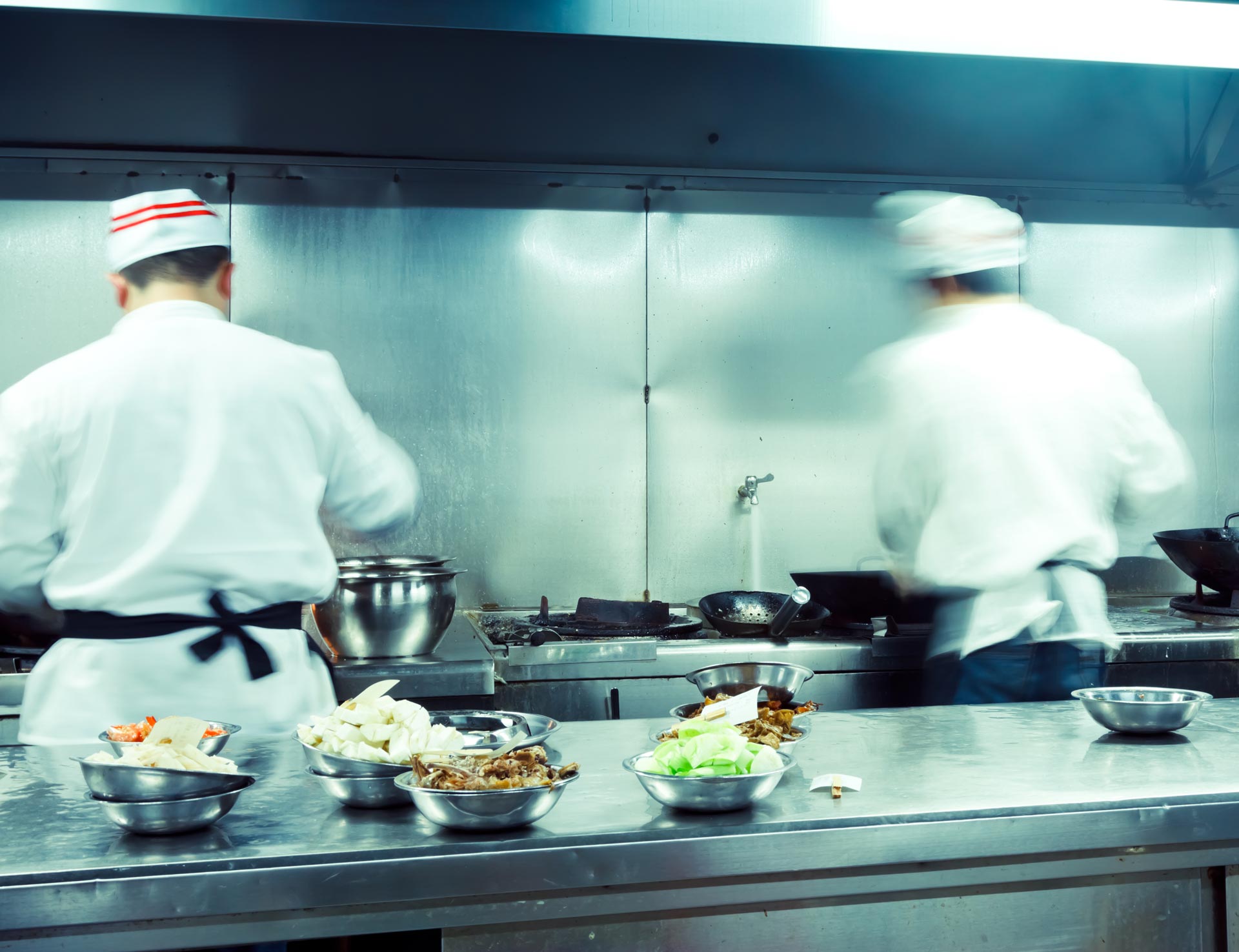
The combined $20m will be used to expand its already sizeable presence in international markets. The company’s product Winnow Vision is already used by chefs at 1,000 different sites in 40 countries, including high-profile brands such as Ikea and luxury hotels such as the Armani Hotel in Dubai.
“This year we launched our ground-breaking AI product Winnow Vision, and chefs using Winnow around the world are saving $33m worth of food from going to waste annually,” said Marc Zornes, CEO at Winnow.
“We have set a target to save our customers $1bn by 2025, and this investment will accelerate our technology development and business development approach to help achieve this ambition.”
How Winnow uses AI to cut food waste
The company’s core product, Winnow Vision, is designed to automatically recognise waste food after a period of training within each kitchen.
It works by taking photos of wasted food as it is thrown away, which over time builds up a custom profile of what each food item looks like for each kitchen.
Once it has trained for a while, the process becomes automatic, with staff only required to confirm that the system’s identification of a specific food item is correct.
For restaurants, this provides precise data on what food is being thrown away, enabling them to adjust orders appropriately and so cut both wastes and costs.
According to Winnow, kitchens using the product see a reduction in waste of between 40-70% within the first six months to a year, with resulting food cost savings of between 2-8%.
Read more: AI-based spell checker Grammarly raises $90m to take value above $1bn