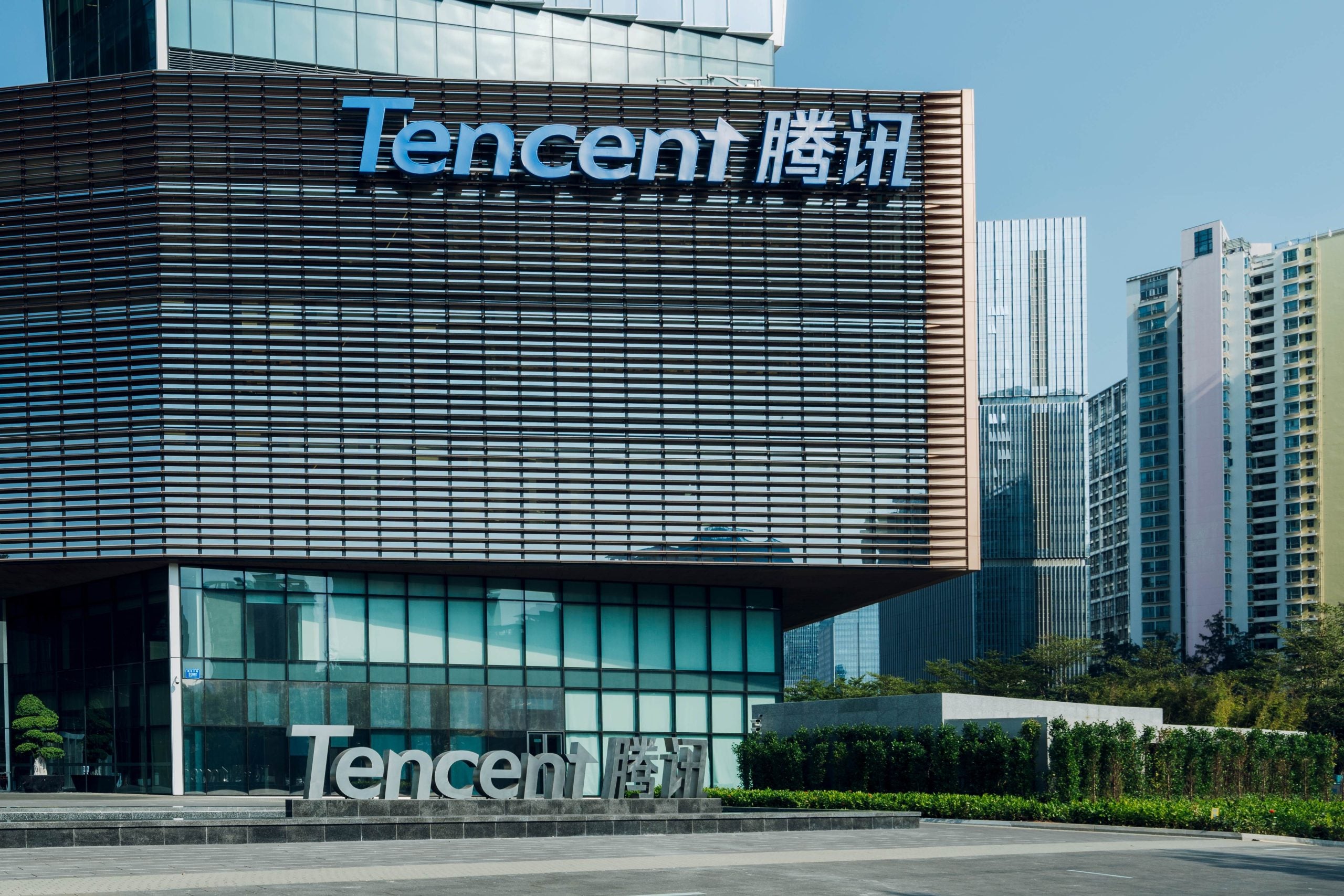
Chinese Big Tech giant, Tencent, owner of multiple mobile app stores, has begun the process of banning publishers who do not comply with China’s new regulations. The new rules, introduced on 10 August, require companies to disclose business details with the government.
App developers had until the end of August to file details with the government for new apps. China’s Ministry of Industry and Information Technology (MIIT) has stated that non-compliant, pre-existing apps will not face repercussions until March 2023, when the grace period ends.
Go deeper with GlobalData

Access deeper industry intelligence
Experience unmatched clarity with a single platform that combines unique data, AI, and human expertise.
This follows a 12 July meeting between Premier Li Qiang and tech firms Alibaba and Meitan which suggested that Beijing’s extended crackdown on the technology sector, which began in 2020, was coming to a close.
Tencent and Ant Group were among those fined during the almost three-year period in which regulators targeted companies for privacy and monopolistic violations.
Research by Refinitiv suggested that the crackdown cost $1.1trn for China’s major tech companies.
The new regulation will likely affect foreign app developers and publishers, such as Apple. The rules also call into question the future of Meta-owned Facebook and Instagram. The apps, along with X (formerly Twitter), are banned in China but can still be downloaded from app stores.
China’s most popular platform, WeChat also provides ‘mini apps,’ apps that are accessible through a parent app, which must also adhere to the new regulation.
Notices published in blog posts by app stores Xiaomi and OPPO reveal that a new task force will monitor each app’s filing status which must be visible and listed on their platforms.
According to GlobalData’s 2023 thematic intelligence on technology regulation, the Chinese government must strike a delicate balance: maintaining regulatory oversight of the tech sector while innovating fast in the technologies most under pressure from the US.