Since the start of 2023, active job hirings in the UK defence, security and aerospace sector have been dominated by digitalisation and big data – but a growing number of artificial intelligence (AI)-related hirings saw it overtake cybersecurity as a thematic factor in July.
Go deeper with GlobalData


Access deeper industry intelligence
Experience unmatched clarity with a single platform that combines unique data, AI, and human expertise.
AI hirings have increased by more than 60% over the past six months, coinciding with the spread of the disruptive technology. Direct military operations have been significantly affected, from the development of AI-enabled drones to “AI pilots” themselves.
But AI has also permeated intelligence-gathering methods used by defence and security organisations.
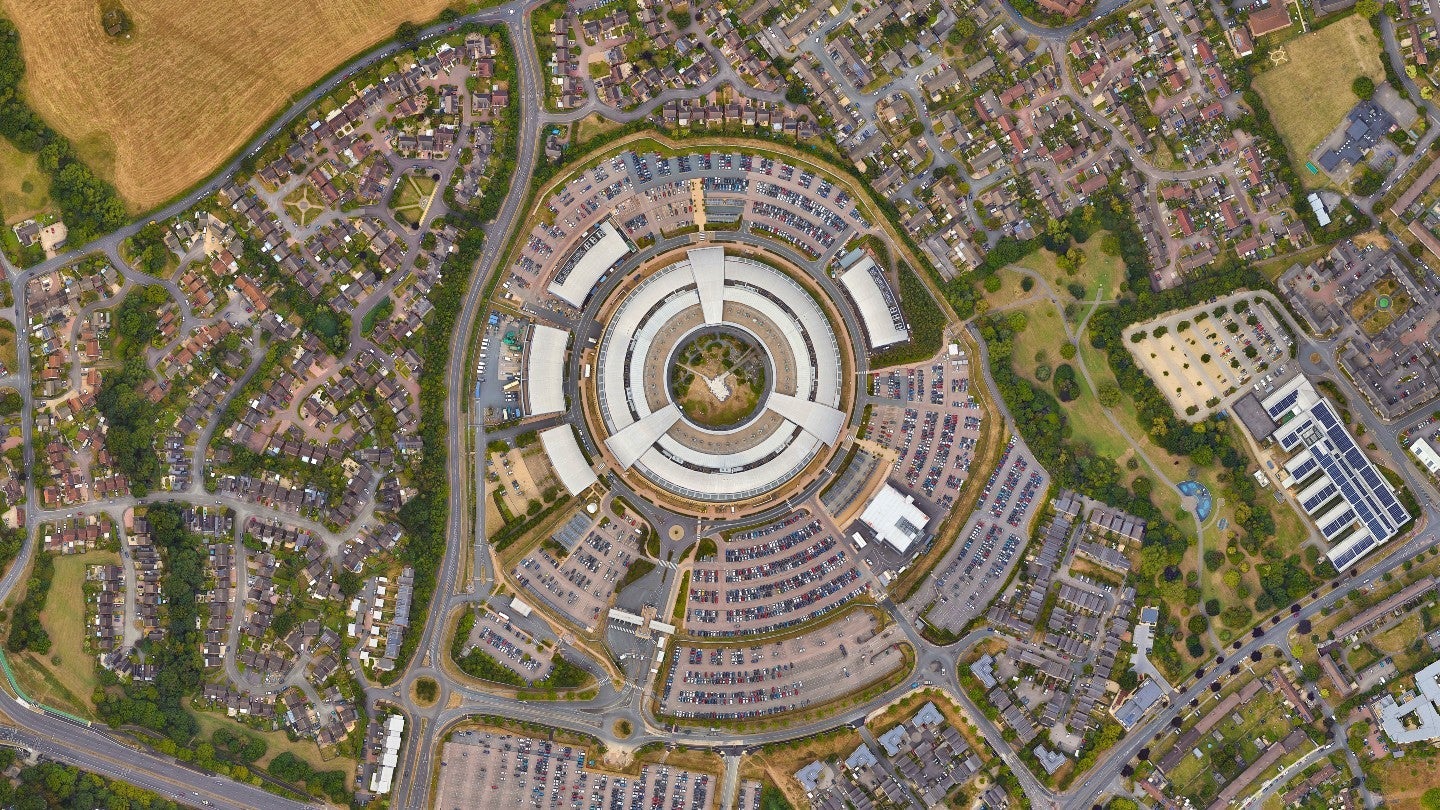
In the UK, domestic security service MI5 entered into a partnership with the Alan Turing Institute “to apply AI research to confront national security challenges”. Along with GCHQ and MI6, MI5 are lobbying the government to soften surveillance laws that place a “burdensome” limit on training artificial intelligence models with large amounts of personal data.
Privacy experts and civil liberties groups have expressed alarm at the potential acceleration of spy agencies’ capacity to analyse bulk personal data sets (BPDs), which frequently contain sensitive information about people not of interest to the security services.
As Rishi Sunak attempts to position the UK as a global leader on AI regulation, there will be intense scrutiny towards the government’s decision on AI for security in the sensitive sphere of surveillance.
Our signals coverage is powered by GlobalData’s Thematic Engine, which tags millions of data items across six alternative datasets — patents, jobs, deals, company filings, social media mentions and news — to themes, sectors and companies. These signals enhance our predictive capabilities, helping us to identify the most disruptive threats across each of the sectors we cover and the companies best placed to succeed.