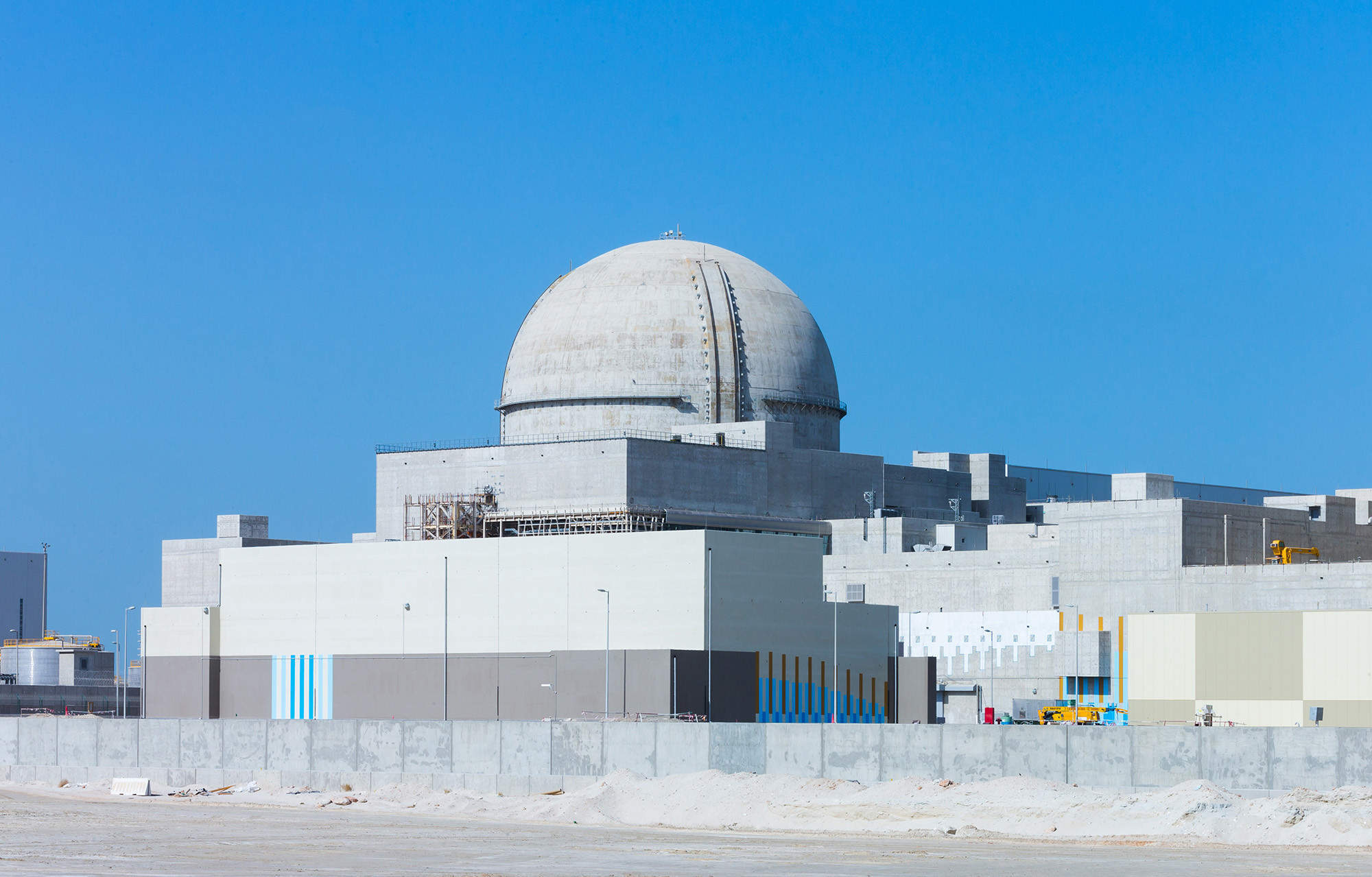
When the first electricity flows from Abu Dhabi’s Barakah power station later this year, it will become the first operational nuclear power plant in the Arab world.
There are few topics more controversial than nuclear power, particularly in the Middle East, where nuclear power projects have triggered military action and international sanctions.
Go deeper with GlobalData

Access deeper industry intelligence
Experience unmatched clarity with a single platform that combines unique data, AI, and human expertise.
Atomic energy is forever associated with the Cold War nuclear weapons industry, or with the spectre of catastrophic accidents, and many people argue that the associated risks are too great to justify its use. And with the region’s abundant, low-cost hydrocarbon resources, the debate was never seen as central to meeting its energy needs.
For these reasons, the GCC states have, for most of their history, eschewed the nuclear option – but things have changed.
Abu Dhabi’s first nuclear power plant against a backdrop of rising regional energy demands
Demand for power in the region is growing at above 6% a year and hydrocarbon resources are finite. Gas in particular is lacking. The region must diversify its power supplies in order to ensure its long-term energy security.
Great focus has been placed on renewables and energy conservation. Both are vital, but only nuclear energy can provide the capacity and reliability of supply. That is why more than 37GW of nuclear power projects, worth an estimated $165bn, are under development in the region.
The question, therefore, is not if nuclear power should be harnessed, but how this can best be achieved. The key challenges are finance and waste disposal, both of which require agreements to be reached with international partners.
Abu Dhabi has provided a blueprint that we can expect others to follow.
This article is sourced from Verdict’s sister publication www.meed.com, a leading source of high-value business intelligence and economic analysis about the Middle East and North Africa. To access more MEED content register for the 30-day Free Guest User Programme.