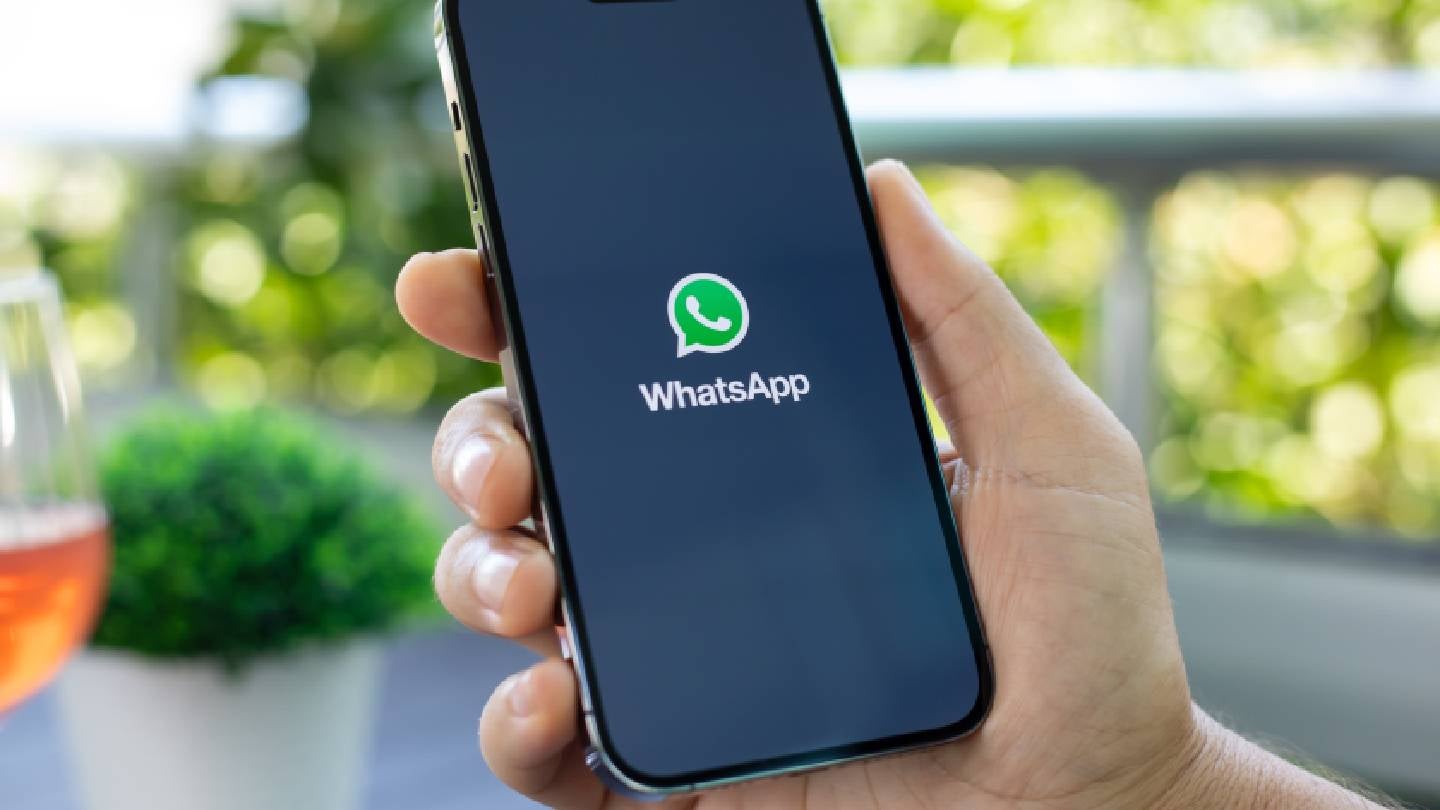
Russian lawmakers have signalled that Meta Platforms’ messaging app, WhatsApp, should prepare to withdraw from the Russian market.
Anton Gorelkin, deputy head of the lower house of parliament’s information technology committee, stated that the app might be added to a list of restricted software.
Go deeper with GlobalData

Access deeper industry intelligence
Experience unmatched clarity with a single platform that combines unique data, AI, and human expertise.
This development follows President Vladimir Putin’s recent legislative move to support a state-backed messaging application. The initiative is intended to integrate with government services and aims to reduce reliance on foreign platforms like WhatsApp and Telegram.
Gorelkin remarked on Telegram that the new app, called MAX, could expand significantly in market share if WhatsApp exits Russia.
He said: “It’s time for WhatsApp to prepare to leave the Russian market.”
Gorelkin also noted that Meta is classified as an extremist organisation in Russia. This follows the banning of Meta’s platforms Facebook and Instagram in 2022 amid escalating geopolitical tensions due to Russia’s military activities in Ukraine.
In recent parliamentary sessions, Russian lawmakers passed sweeping legal amendments imposing fines on individuals accessing material deemed extremist by the government. This includes content from opposition figures and political activists.
Anton Nemkin, another IT committee member in the parliament, stated that WhatsApp’s continued operation in Russia raises legal concerns tied to national security.
The TASS news agency quoted him saying: “The presence of such a service in Russia’s digital space is, in fact, a legal breach of national security.”
Kremlin spokesman Dmitry Peskov reinforced this stance by asserting that all digital services must comply with Russian laws. The government has been actively pursuing digital sovereignty by encouraging the use of domestic services.
Critics have expressed concerns over potential user monitoring by the new state-backed app. They also hinted that Russia might deliberately slow down WhatsApp to boost downloads for MAX.
YouTube has already experienced a drastic reduction in its Russian user base due to decreased download speeds affecting accessibility. Meanwhile, instructions from President Putin included directives for further restrictions on software from “unfriendly countries” imposing sanctions against Russia, with a compliance deadline set for 1 September 2025.
In June 2025, the Russian Parliament enacted legislation for developing a messaging app with state connectivity features. This initiative aligns with the Max app developed by Russia’s largest social media platform, VKontakte (VK).
Russia’s Digital Development Minister Maksut Shadayev recently revealed that VK had developed an entirely Russian app with technical capabilities allegedly greater than those of foreign counterparts.
According to reports on the official website of the Russian parliament, the State Duma, Max will provide functionalities akin to China’s WeChat. This will enable users to electronically sign documents and access a variety of services within a single platform.