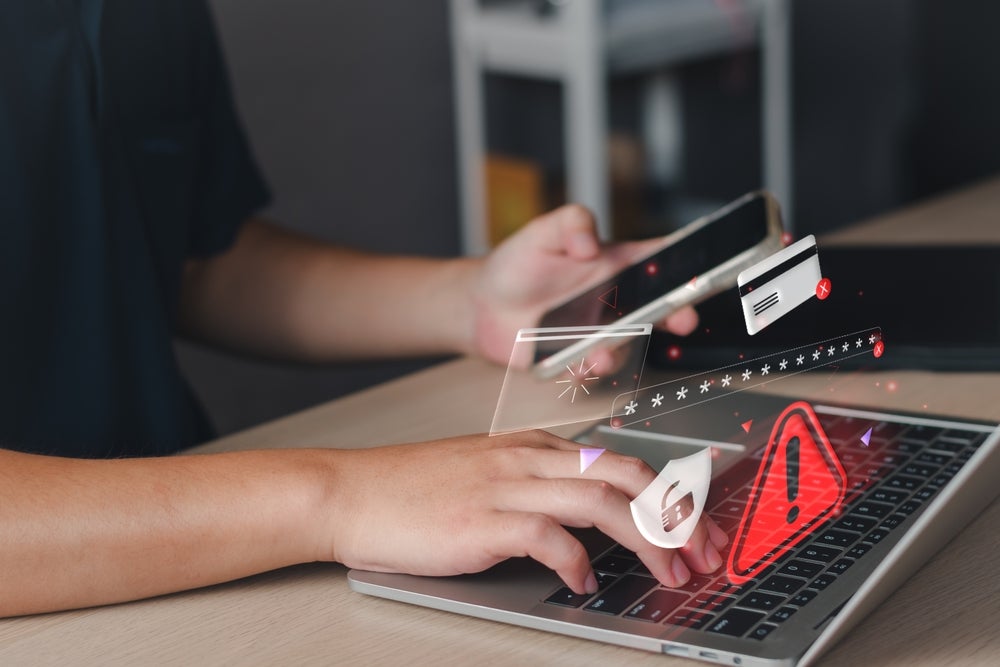
Mobile devices fundamentally changed how the world communicates and consumes information and other content, but they may also be a back door to allow AI-driven phishing (email) and smishing (sms) threats into the workplace.
This full-on embrace bled into business offices as workers tapped the technology to increase flexibility and improve efficiency. However, the convenience and flexibility they bring comes with risk, opening new points of exposure to enterprise assets.
Go deeper with GlobalData


Access deeper industry intelligence
Experience unmatched clarity with a single platform that combines unique data, AI, and human expertise.
Lack of planning
Organisations that were quick to put in place bring-your-own-device (BYOD) strategies often lacked a solid plan to safeguard this environment, given that many of these devices were under-secured.
Enterprises have made progress in layering their defenses to better protect mobile and Internet of Things (IoT) environments, but there is still room for progress.
Verizon report
In Verizon’s eighth annual Mobile Security Index report, 77% of the 762 surveyed said deepfake attacks that tap AI-generated voice and video content to impersonate staff or executives, and SMS text phishing and smishing campaigns are likely to accomplish their objective. Some 38% think AI will make ransomware even more effective.
Despite the increase in cybersecurity spending in most organisations, only 12% have deployed security controls to safeguard their enterprise from deepfake-enhanced voice phishing. Just 16% have implemented protections against zero-day exploits.
Red flags and human error
Enterprise employees are welcoming AI to their mobile devices – with 93% using GenAI as part of their workday routine. They raised red flags, with 64% calling data compromise via GenAI their number one mobile risk. Of the 80% of enterprises that ran employee smishing tests, 39% fell for the scam.
AI aside, user error is the most frequently noted contributor to breaches in general, followed by application threats and network threats. Some 80% said they had documented mobile phishing attempts aimed at staff.
While prioritising cybersecurity spending is important, organisations need to look at whether they are allocating this investment to the right areas. Just 45% said their organisation provides comprehensive education on the potential risks mobile AI tools bring. Only half have formal policies regarding GenAI use on mobile devices, and 27% said that they aren’t strictly enforced.