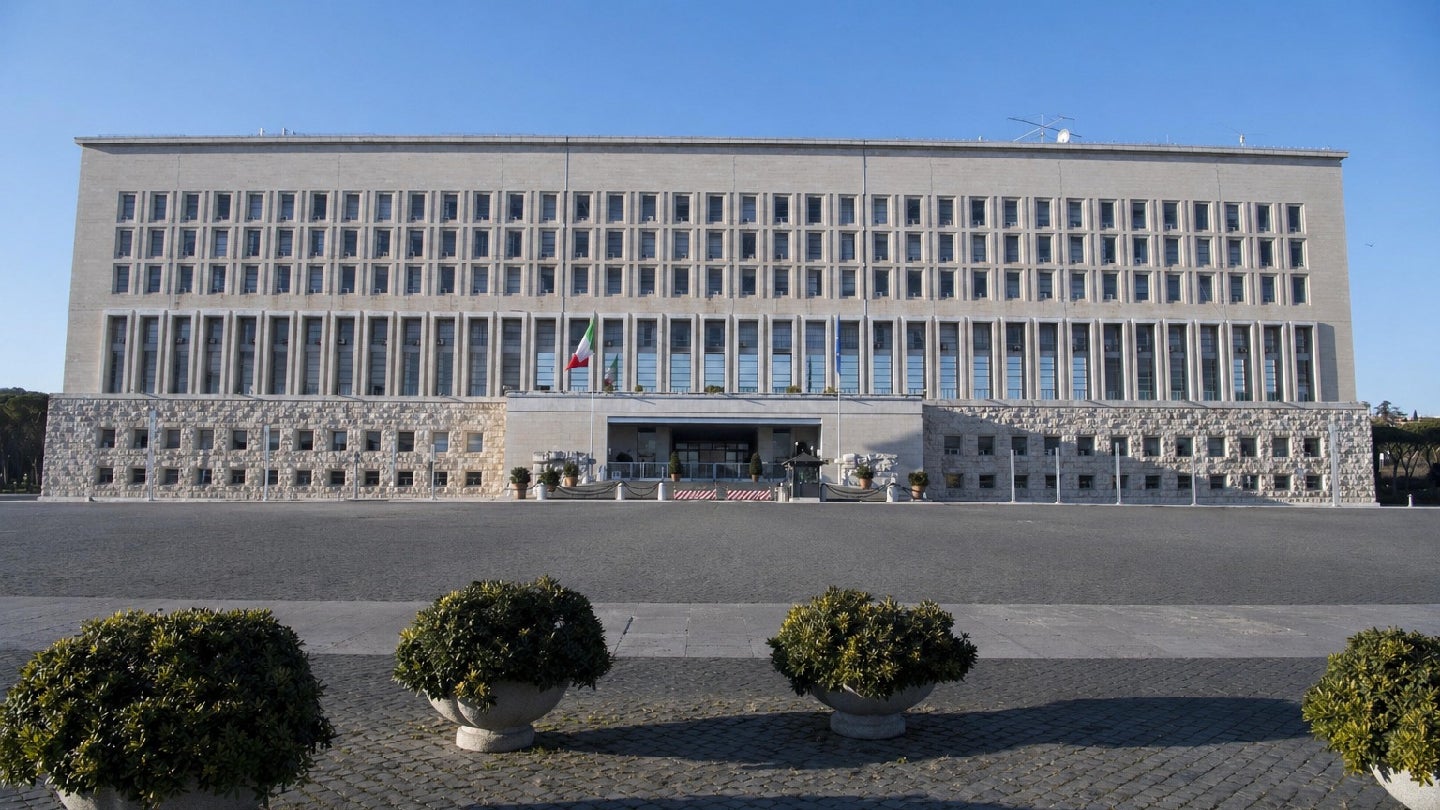
Italy’s Foreign Ministry reported that its website was targeted in a cyberattack, but said its security systems mitigated the threat without disrupting public services.
According to the ministry, attempts to breach both the website and other areas of national infrastructure were detected early in the day.

Access deeper industry intelligence
Experience unmatched clarity with a single platform that combines unique data, AI, and human expertise.
The Foreign Ministry said its monitoring efforts, carried out in collaboration with the National Strategic Centre and other relevant authorities, are ongoing.
Investigations are also underway to assess whether websites belonging to Italian diplomatic and consular missions abroad have experienced similar incidents.
Italy’s Minister of Foreign Affairs Antonio Tajani said: “Cybersecurity is a key element of the reform of the Ministry of Foreign Affairs approved last year.
“In recent months, we have strengthened our capabilities in preventing, monitoring and responding to threats, implementing all the necessary countermeasures, including technological ones.”
Tajani also noted that he had recently described the technical aspects of the CSIRT Operations Centre to German Federal Minister for Foreign Affairs Johann Wadephul during a visit to Rome.
The ministry indicated that Italy intends to work with Romania and other European Union member states to submit proposals at forthcoming European meetings.
These proposals would be aimed at designating those responsible for cyberattacks on European institutions, including those targeting Italian organisations.
In a separate announcement earlier in the year, the Italian Competition Authority, Autorita’ Garante della Concorrenza e del Mercato (AGCM), launched a probe into Apple.
The investigation examines whether Apple is complying with interoperability requirements under the European Digital Markets Act (DMA).
This marks the regulator’s first use of powers granted by the DMA, brought in under Law 214 of 30 December 2023 to support competition in the digital sector. The case concerns Apple’s iOS and iPadOS operating systems.
Under Article 6(7) of the DMA, Apple is obliged to enable third-party consumer cloud service providers to interact with its operating systems and access the same hardware and software features available to its own iCloud service.
The authority said there is evidence suggesting that other cloud providers do not have equal access, particularly to the full-device backup features available to iCloud users.