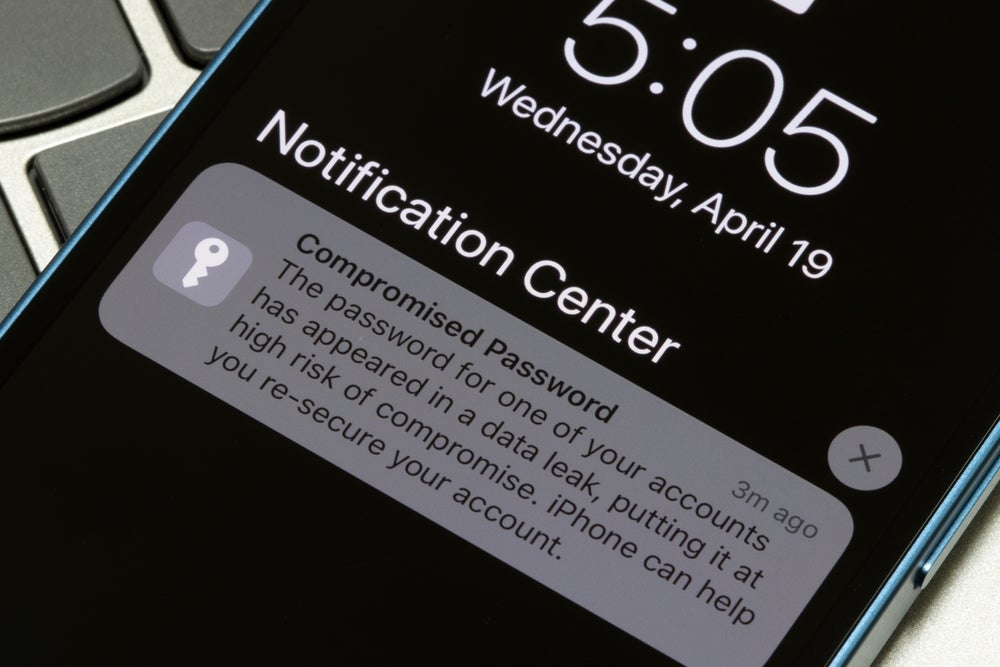
Cybersecurity is under scrutiny as cybercrime escalates, with the recent breaches of platforms like the Tea app and organisations such as NASCAR reveal the alarming rise in credential theft and ransomware attacks.
These incidents underscore the vulnerabilities in our increasingly complex digital ecosystems and highlight the urgent need for stricter disclosure regulations and enhanced cybersecurity measures.
With targeted attacks becoming more sophisticated, businesses must prioritise transparency and proactive strategies to safeguard user data and maintain trust in the face of evolving threats.
Credential theft is fueling cybercrime
The recent breach of the Tea app, a platform designed for women to discuss their experiences with men, highlights the rising threat of targeted cyberattacks.
Hackers accessed a database containing more than 72,000 images, including sensitive verification photos and government IDs, as well as more than 1.1 million direct messages that could expose users’ identities.
This incident underscores the vulnerabilities inherent in complex digital ecosystems, where the enforced shift to remote work and the proliferation of collaboration tools have created fertile ground for cybercriminals. The attack appears to have been meticulously planned, as evidenced by the hackers’ ability to exploit specific weaknesses in the app’s security infrastructure.
With the app’s popularity drawing fire from certain online communities, the breach may have been motivated by a concerted effort to undermine the platform and its users. As organisations like Tea scramble to secure their systems and protect user data, this incident serves as a stark reminder of the evolving landscape of cyber threats, where targeted attacks can lead to significant breaches of privacy and trust.
Ransomware attacks are evolving
The rise of ransomware attacks continues to pose a significant threat to businesses worldwide, as evidenced by the recent incident involving NASCAR, which suffered a data breach in April 2025.
The attackers, identified as the Medusa group, employed a double-extortion tactic, exfiltrating sensitive personal information, including names and Social Security numbers, before encrypting NASCAR’s network and demanding a $4m ransom.
While the organisation has not disclosed whether it paid the ransom, it has taken steps to secure its systems and offered free credit monitoring services to affected individuals. The increasing prevalence of ransomware attacks—up 126% in early 2025 compared to the previous year—highlights the urgent need for businesses to involve law enforcement and adhere to regulatory requirements in the aftermath of such breaches.
As ransomware operators continue to exploit vulnerabilities for profit, the environment is evolving, with new players entering the market and ransomware-as-a-service (RaaS) models gaining traction. This trend highlights the need for organisations to enhance their cybersecurity measures and remain vigilant against the ever-growing threat of ransomware, which has become a leading concern in the realm of cybercrime.
Delays in cybersecurity breach disclosure leaves users exposed
Delays in disclosing cyberattacks have prompted regulatory bodies like the US Securities and Exchange Commission (SEC) and the US Senate to implement stricter rules for mandatory reporting.
Following high-profile incidents such as the Colonial Pipeline and JBS attacks, the SEC’s new rule, confirmed in December 2023, mandates that public companies disclose material cybersecurity incidents within four business days of determining their significance, replacing the previous “as soon as reasonably practicable” standard. This shift aims to enhance transparency and accountability in the wake of increasing cyber threats.
The Strengthening American Cybersecurity Act of 2022 requires critical infrastructure operators to report cyberattacks and ransomware payments, reflecting the broader trend toward mandatory disclosure seen globally, including the EU’s NIS2 directive and Switzerland’s 24-hour reporting requirement.
To mitigate delays, organisations should adopt proactive cybersecurity measures, establish clear internal protocols for incident assessment and reporting, and ensure compliance with evolving regulations.
By encouraging a culture of transparency and prompt communication, companies can not only protect their stakeholders but also contribute to a more resilient cybersecurity ecosystem.
Urgent need for robust cybersecurity measures
Recent breaches serve as stark reminders of the inherent vulnerabilities of our digital ecosystem and the urgent need for robust cybersecurity measures and transparent reporting practices.
As regulatory bodies implement stricter disclosure requirements, businesses must adopt proactive strategies that prioritise user safety and data protection. By fostering a culture of vigilance and accountability, organisations can better navigate the complexities of the cyber threat landscape and work towards a more secure digital future.