

Though it is inevitable that different markets in the Middle East and Africa (MEA) are at various stages in their evolution with enterprise technology maturity, what 2025 offered was a window into what the future might look like.
With equalising factors in the form of AI, Chinese-US competition vying for position and growth in the region, and the rise in ubiquitous satellite connectivity, many mature-market solutions that are typically seen in North America, Europe, and the Far East are now considered to be possibilities for numerous key MEA markets that were at risk of falling egregiously behind. MEA is increasingly viewed as a key growth region for multinational corporations expanding into the area or with existing operations. AI and cloud technology vendors, and local tech firms and startups that have trusted brands to serve much of the national public sector bodies and local business ecosystems, see a prime opportunity.
Go deeper with GlobalData


Access deeper industry intelligence
Experience unmatched clarity with a single platform that combines unique data, AI, and human expertise.
What this means in practice is that there is a growing presence of large-scale data centres, cloud regions, and AI infrastructure capable of supporting powerful workloads. Saudi Arabia and the UAE have emerged as leaders: Saudi’s central AI body HUMAIN now has multiple American tech partners; G42 in the UAE has not only expanded AI data centre capacity but has also introduced programmes such as Digital Embassies to allow governments to deploy infrastructure at scale, establishing various AI hubs in Vietnam, Kenya, and across Europe. Qatar also recently established its own AI company, Qai. Other markets across MEA will follow suit as they rapidly seek to coordinate their AI infrastructure build-outs and rollouts.
Ismail Patel, senior analyst at GlobalData, said: “In these markets and beyond, there is already a serious discussion on how AI can be monetised or leveraged to save money, and agentic AI is emerging high on the agenda to automate workflows and boost company processes, governmental departments, and industrial efficiencies.”
But in addition to AI, cloud computing access has grown tremendously in MEA, and this is a space where competition between US hyperscalers and Chinese vendors is most fierce.
Patel adds: “US-China competition has resulted in huge training programs dedicated to local MEA students and employees as the cloud companies race to entice the next generation of companies, startups, and workers into their tech ecosystems. Furthermore, software and LLM models are increasingly being accommodating of local language support, with moves made by US and Chinese companies not only for Arabic, but also for lesser-known languages and dialects.”
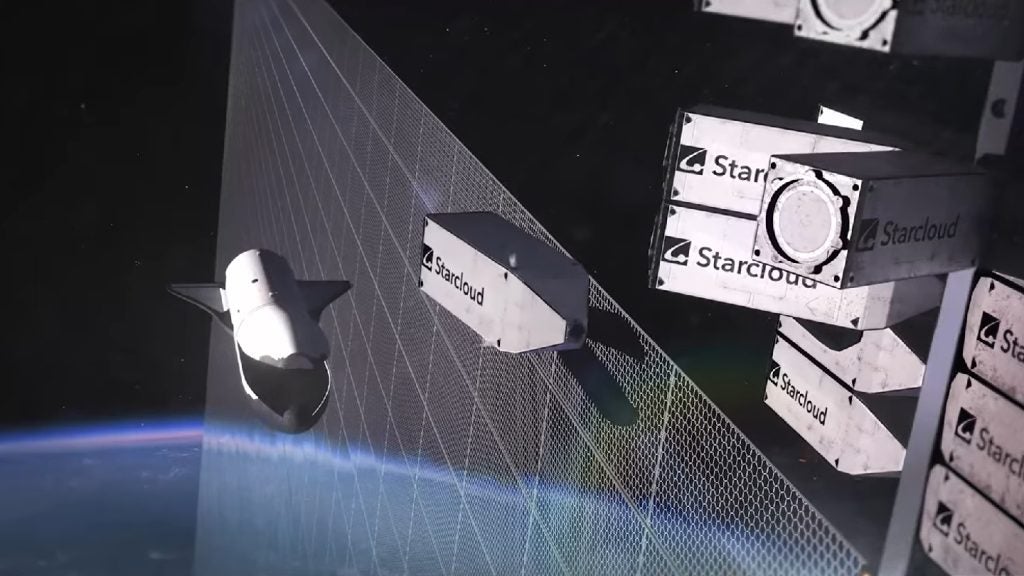
Additionally, LEO satellite connectivity, wherever licensed, is proving to be a game-changer. It is resulting in mobile operators either cooperating on deployments to shield themselves from the competitive threat of satellite broadband or in telcos partnering with an LEO provider. The net result of both is the same: improved connectivity and boosting businesses and services in underserved regions.
Patel concludes: “The crescendo of AI, cloud computing, and improved connectivity means growth across Africa and the Middle East will be registering one of the highest year-on-year digits globally. 2026 will improve on the strides the region took in 2025, leading many regional markets and industries to be the hottest growth prospects globally.”