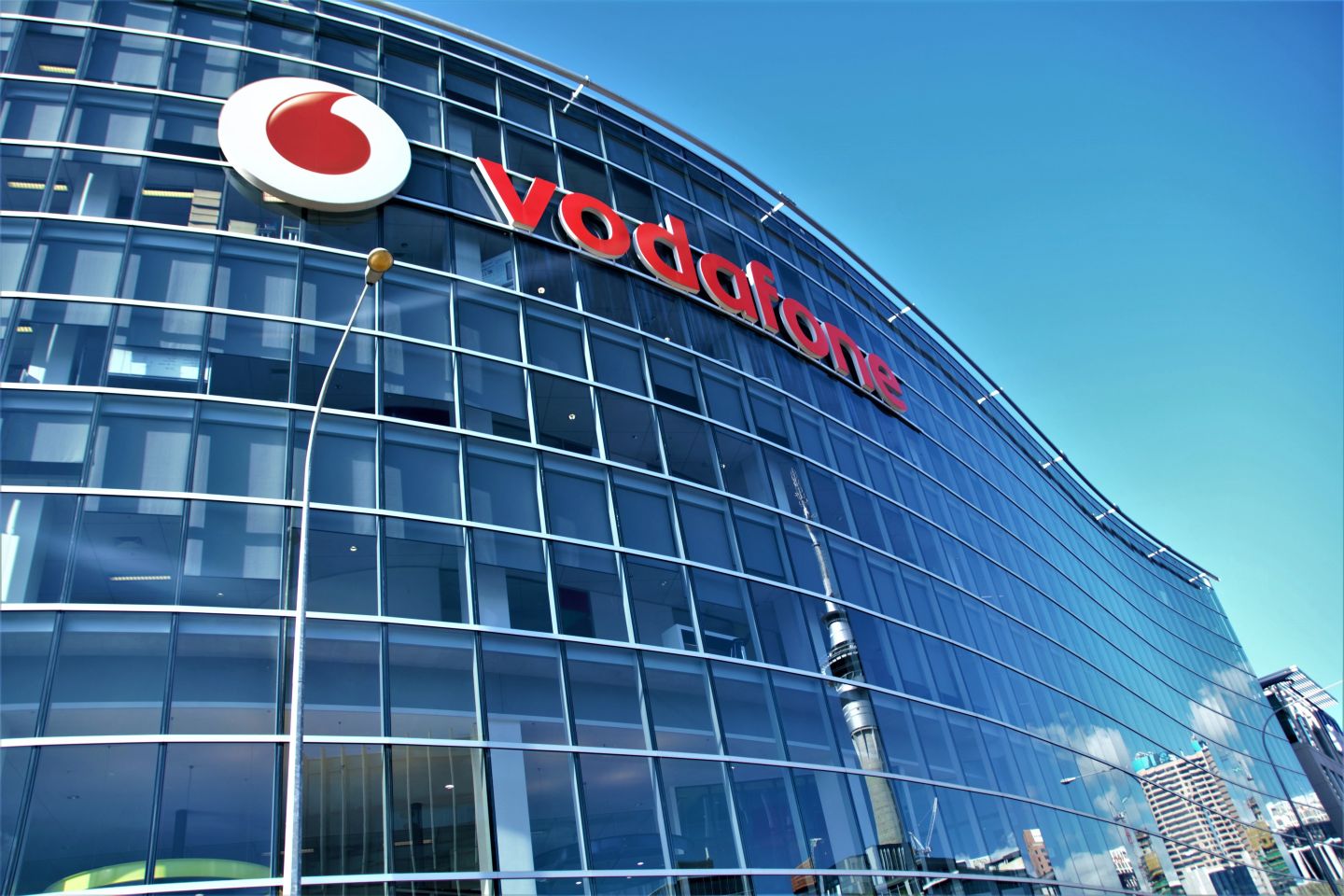
Vodafone wants to turn parts of its mobile network into something cities and
businesses can use for more than calls and data: a distributed environmental
sensing platform. In a recent update, Vodafone Business says its “network-as-a-
sensor” (NWaaS) program is now operating across Europe, using thousands of
microwave links – the invisible backhaul connections between mobile sites – to
detect rain, fog, and humidity as well as translate those effects into near real-time
weather insights.
It is a compelling idea with a very modern telco rationale behind it. Mobile operators have spent decades building dense, power-hungry infrastructure footprints. The core challenge today is that connectivity, on its own, keeps getting harder to differentiate and price. If an operator can monetise “by-products” of the network – data, locations, signals, and now environmental readings – it can open new revenue streams without the cost of building an entirely new asset base.
Go deeper with GlobalData


Access deeper industry intelligence
Experience unmatched clarity with a single platform that combines unique data, AI, and human expertise.
The network as a virtual weather station
Microwave links are sensitive to atmospheric conditions. Rainfall, for example, absorbs and scatters microwave signals, causing measurable changes in signal strength. Vodafone says it can use those variations to estimate where rain is falling and at what intensity, filling in gaps between traditional weather radars and rain gauges, particularly in areas where gauge density is low or radar coverage is imperfect.
Vodafone has been talking about NWaaS for at least a year. In April 2025, it announced work with organisations in the River Severn Partnership in the UK to provide high-resolution rainfall data to improve short-term flood forecasts (minutes to hours). It also pointed to work in Spain and mainland Europe, where network-derived indicators such as atmospheric dryness can be combined with other monitoring tools to support wildfire detection and response.
With its update this month, Vodafone seems to be expanding its ambition. It is no longer pitching NWaaS as a set of pilots; it is framing it as a pan-European capability and, importantly, as a platform that can extend beyond rainfall. Vodafone says its base station masts can host additional sensors – such as air-quality monitors – so the same infrastructure that carries mobile traffic can also become a distributed network for environmental monitoring.
Why telcos are chasing “beyond connectivity”
This move speaks directly to a strategic imperative facing most operators: the need to grow beyond commoditised connectivity. Price pressure is persistent, and even 5G has not, by itself, created a universal premium pricing opportunity. Meanwhile, enterprises and governments are spending on outcomes, e.g., improved resilience, efficiency, compliance, and safety, rather than megabytes.
US Tariffs are shifting - will you react or anticipate?
Don’t let policy changes catch you off guard. Stay proactive with real-time data and expert analysis.
By GlobalDataNWaaS fits that shift because it turns the network into a platform for user outcomes. A city does not budget for sensors; it budgets for better flood preparedness, faster emergency response, or more granular emissions management. If Vodafone can package environmental intelligence with service-level commitments, integration capabilities, and a clear user management interface, it moves a small step up the value chain from connectivity provider to data services partner.
John Marcus, senior principal analyst at GlobalData, says: “It is also a clever example of infrastructure monetisation. Vodafone is reusing assets it already owns and maintains – microwave links, towers, power, site access – rather than deploying an entirely new field sensor network. That matters for buyers too. Local governments and state agencies often struggle to fund large new monitoring systems, especially if they come with ongoing maintenance complexity.” And for Vodafone, “leveraging existing telecom infrastructure can reduce any friction involved in a new service roll-out, shortening time to value.”
IoT adjacency: a natural fit for Vodafone
Vodafone’s broader IoT capabilities provide context for why it is leaning into this story now. Vodafone operates a large global IoT business, with platforms that manage device connectivity and data flows for enterprise and public sector customers. It has long-standing strengths in smart city-adjacent areas – utilities, transport, public services – and an ecosystem approach that pairs connectivity with partners that deliver applications, analytics and integration.
That ecosystem matters because environmental intelligence becomes more valuable when it is connected to operational systems: emergency management platforms, weather modelling tools, utility asset management, transport control centres, and even insurance risk models. Vodafone’s existing IoT relationships and integration experience can make NWaaS easier to adopt, particularly for large organisations that want one provider to handle connectivity, device management, and supporting data services.
The recent announcement also highlights collaborations that add weight to the effort. Vodafone references work with the European Space Agency on wildfire prediction tooling, and in the UK, it points to collaboration with the Met Office and the Centre for Ecology & Hydrology to improve weather models. These kinds of partners help position NWaaS as something that can plug into established scientific and public safety workflows, rather than remaining a “nice experiment” type of pilot demonstration.
The commercial test: productising trust
The opportunity is clear, but so is the challenge in making it happen. Weather and air-quality data quickly become mission-critical if they influence warnings, response decisions, or regulatory reporting. That raises the bar on validation, transparency, and service quality. Buyers will expect to know, for example: How accurate is this compared with radar and gauges in different conditions? What is the latency? What happens during network upgrades? Who is accountable if data is missing or wrong at the wrong moment?
Vodafone’s next step is therefore less about the science and more about the packaging: clear products, clear service levels, and proven integrations that procurement teams can buy with confidence.
If Vodafone gets that right, NWaaS can become a meaningful differentiator in smart city and resilience projects – an example of a telco moving beyond connectivity by turning its network into a data-generating asset. And in a market where many operators still struggle to explain what “platform” really means, a virtual weather station is a surprisingly tangible place to start.