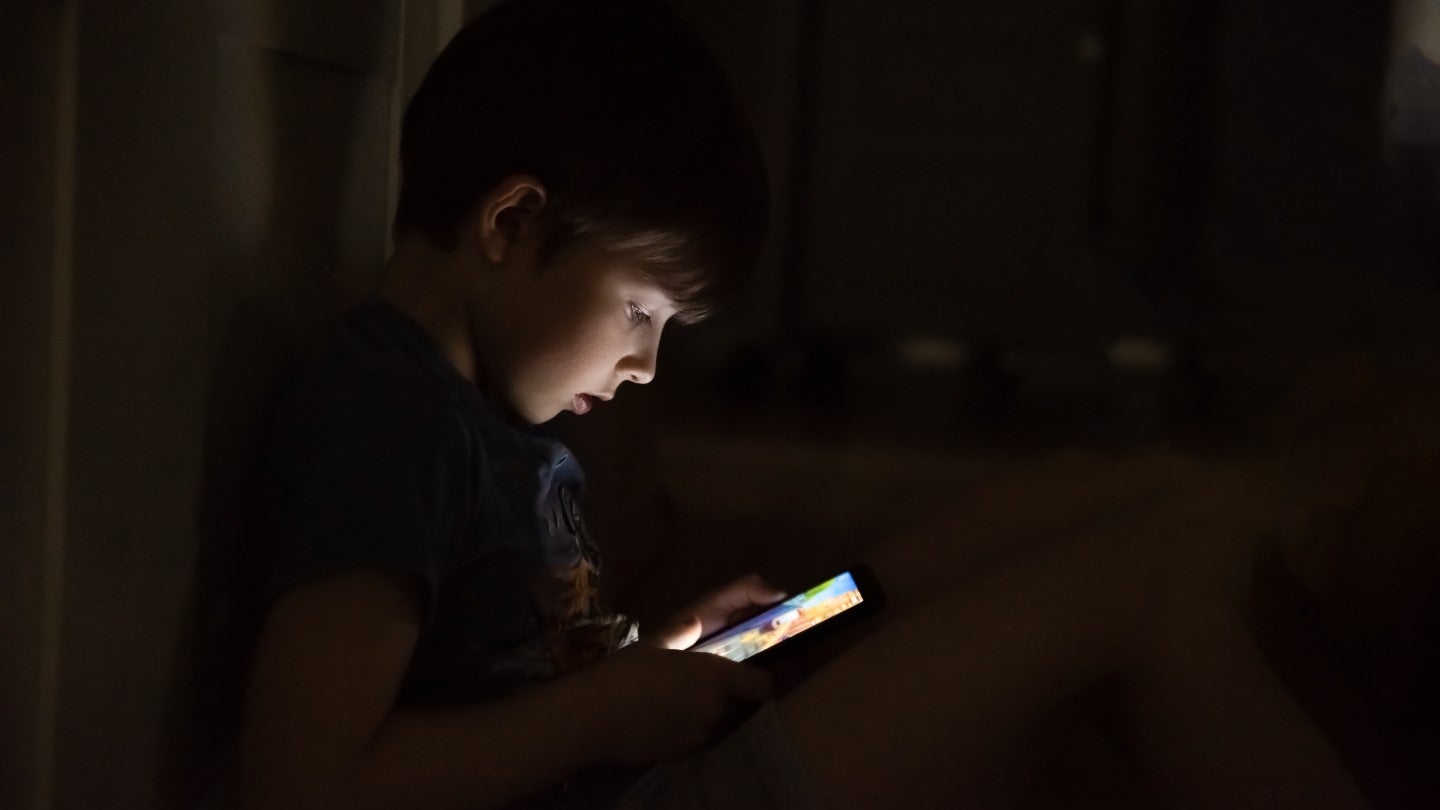
The Australian government has launched a bill in the parliament proposing a ban on social media for children under 16 years, Reuters reported.
The proposed legislation includes fines of up to A$49.5m ($32m) on social media platforms that commit systemic breaches.
Go deeper with GlobalData

Access deeper industry intelligence
Experience unmatched clarity with a single platform that combines unique data, AI, and human expertise.
The bill proposes an age-verification system, which may involve biometrics or government identification, to enforce the age cut-off.
These measures represent the highest age limit set by any country, with no exemptions for parental consent or pre-existing accounts.
Australian Prime Minister Anthony Albanese said: “This is a landmark reform. We know some kids will find workarounds, but we’re sending a message to social media companies to clean up their act.”
The law would impact platforms such as Meta Platforms’ Instagram and Facebook, Bytedance’s TikTok, Elon Musk’s X, and Snapchat, the news publication added.
Albanese stated that children will still have access to messaging, online gaming, and educational services such as Headspace, Google Classroom, and YouTube.
The government said that excessive social media use poses risks to children’s physical and mental health.
Although several countries have pledged to curb children’s social media use through legislation, Australia’s policy is said to be among the most stringent.
France proposed a similar ban for those under 15 years, allowing parental consent to bypass the restriction.
The US requires parental consent for technology companies to access data from children under 13 years.
In September 2024, the Australian government announced its intention to fine internet platforms up to 5% of their annual global turnover for failing to prevent the spread of misinformation online.