

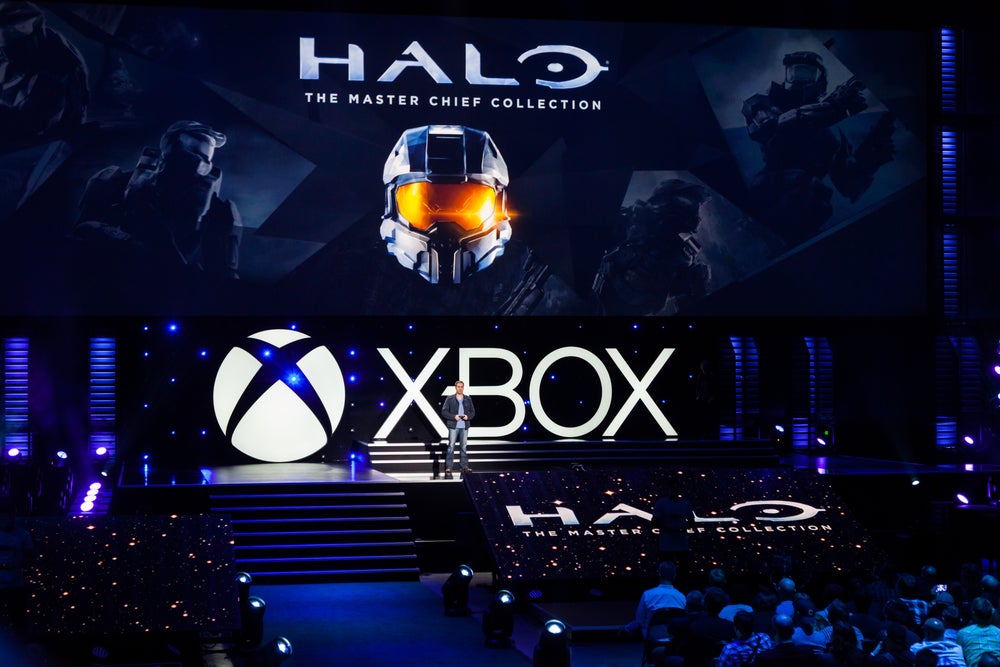
For a quarter-century, Halo stood as Xbox’s flagship exclusive, deeply entwined with Microsoft’s identity and its hardware rivalry with Sony.
But in October 2025, that foundation began to shift. Microsoft announced that Halo: Campaign Evolved, a full remake of Halo: Combat Evolved, will debut on PlayStation 5 and PC alongside Xbox in 2026. That move is more than symbolic; it is a signal that what was once sacred is no longer exclusive.
Go deeper with GlobalData


Access deeper industry intelligence
Experience unmatched clarity with a single platform that combines unique data, AI, and human expertise.
Microsoft’s leadership favours reach over rivalry
From the top, the change is deliberate. Xbox executives are increasingly vocal about what competition now looks like. Matt Booty, President of Game Content and Studios, has described Xbox’s biggest rivals as “everything from TikTok to movies,” not other consoles.
The new goal, he says, is to “meet people where they are”, on whatever platform they already use. The phrase “no red lines in our portfolio” hints at a strategy built around reach, engagement, and subscription growth, rather than defending hardware market share. Yet, while the shift is evident, it is far from total.
Major recent blockbusters like Starfield remain exclusively tied to Xbox, while others like Indiana Jones and the Great Circle saw delayed releases on other platforms, reminding us that the transition from old to new is still underway.
Platform flexibility is becoming the norm
Gears of War: Reloaded launched in August 2025 and was the first entry in the Gears franchise to reach non-Xbox platforms, complete with the full campaign, all DLC, cross-play, and enhanced performance modes.
Meanwhile, Halo: Campaign Evolved stands out as perhaps the most symbolic move: for the first time, a mainline Halo title will officially appear on PlayStation.
Microsoft seems confident the brand will thrive without being tethered to its own hardware. Meanwhile, other recent cross-platform releases like The Outer Worlds 2 underline a growing pattern: platform boundaries are becoming less relevant, even for major legacy IP.
The new risks and rewards in a post-exclusivity era
This shift carries both opportunity and risk. For gamers, more platform flexibility means less of a forced commitment to hardware just to access certain franchises.
Cross-play, cross-progression, and the preservation of communities, once sorely missed from generation to generation, are now realistic expectations. Users who do not want to invest in multiple consoles stand to benefit most.
For Microsoft, expanding franchises to PlayStation and PC opens vast new markets, boosting revenue streams beyond console sales. There are trade-offs, however: exclusivity has long been a key competitive lever, and relinquishing that raises concerns about brand distinction and balancing diverse audiences’ expectations.
For Sony and others who have built strategies around locked-down titles, the erosion of this advantage may force renewed focus on first-party innovation, exclusive features, or entirely different service models, or even a rethinking of what exclusivity means in a platform-agnostic era.
Xbox’s recent manoeuvrings may well signal the beginning of the end of the classic console wars. Exclusives once served as weapons; now they are optional tools in a wider strategy of audience reach. The war, strictly speaking, is not over as some exclusives remain, but the battlefield has shifted. When Microsoft’s biggest franchises sit on rival platforms, the old divide may become little more than history.