

The popular AAA game Cyberpunk 2077 depicts a dystopian future dominated by powerful corporations that dictate technological advances and resource distribution.
In this world, everyday citizens lose their power and quality of life, leaving only the wealthy, corrupt, or criminal to thrive.
A key feature of the game is the use of cybernetic implants, or “cyberware,” which enhance physical and cognitive functions. However, excessive reliance on this technology leads to a mental health disorder called “cyberpsychosis,” characterised by a loss of empathy and identity.
The parallels between our reality and the world of Cyberpunk 2077 raise concerns about whether such phenomena could manifest in our own lives. The increasing prevalence of wearable technology, brain implants from companies like Neuralink, and the emergence of “AI psychosis” suggest a future where technology significantly impacts mental health and our perception of reality.
The rise of AI psychosis
Generative AI has transformed how many interact with the internet, becoming a standard feature across various platforms. This rapid integration has divided users into factions: some embrace AI as the next technological leap, while others reject it as a crutch for critical thinking.
Regardless of personal views, the negative effects of frequent AI use are becoming evident. Many users now refer to AI models like Chat-GPT and Grok as if they were real people, even calling them “best friends” or “therapists.” This substitution of genuine human interaction for AI companionship poses significant risks, as reports of individuals experiencing AI-induced episodes of “psychotic thinking” are on the rise. Psychologist Hamilton Morrin describes this phenomenon as “a sort of echo chamber for one,” where delusional thinking can be amplified. Features like Meta’s “Chat with an AI”, which allow users to converse with custom AIs of celebrities, further contribute to a reality where technology distorts perceptions.
As our lives become increasingly intertwined with AI, we may see more vulnerable individuals developing delusions, raising concerns about the long-term mental health implications.
The viability of brain implants
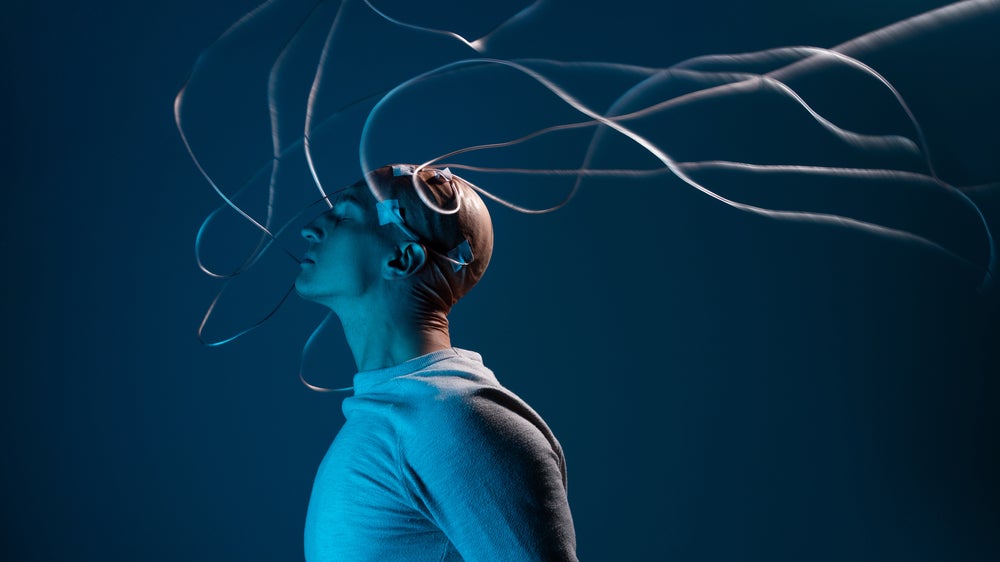
The merging of human cognition and technology, once confined to science fiction, is rapidly becoming a reality. Companies like Neuralink and Blackrock NeuroTech are at the forefront of developing implantable brain-computer interfaces (BCIs). Blackrock Neurotech focuses on restoring capabilities such as speech and movement for individuals with neurological disorders, enabling patients to control robotic devices using their thoughts.
Neuralink, founded by Elon Musk, has also made strides in this area, recently implanting devices in patients with conditions like ALS to facilitate communication. Reports indicate that there have been no adverse effects in initial patients, who have successfully controlled computer cursors and performed tasks through the implants.
Both companies are exploring the integration of AI with BCI technology. Musk envisions a future where brain implants could enhance cognitive and sensory abilities, potentially leading to seamless human-machine interaction. While some view this as an exciting advancement, others express scepticism.
A popular meme humorously suggests that one day, humans might have ads playing in their minds due to brain implants, highlighting concerns about the implications of merging technology with human cognition. Although few negative side effects have been reported so far, the potential for adverse outcomes rises with the increased integration of AI.
Wearable tech blends the digital and physical worlds
Society’s reliance on technology has reached a point where being without it feels unusual. From smartphones to wearable devices that track health metrics, technology is now ubiquitous. Innovations like the Apple Vision Pro blur the lines between the physical and digital worlds, creating a new form of reality. Living in a digitally filtered environment, where human experiences are validated by sensors and apps, has become normalised. This shift risks leading individuals to perceive a “tech-filtered” reality rather than a shared, objective one. Disruptions or glitches in these platforms could cause distress and negatively impact mental health, particularly for those who rely heavily on augmented reality as their primary perception.
Cyberpsychosis – a cautionary tale
In Cyberpunk 2077, “cyberpsychosis” represents a dramatic consequence of overwhelming the mind and body with technology. While our reality may not mirror this dystopian narrative, the gradual merging of digital and physical realms could similarly erode our shared understanding of reality, putting vulnerable individuals at risk.
Ultimately, “cyberpsychosis” serves as a cautionary tale about the destabilising effects of technology on the mind. As AI induces delusions in susceptible individuals, companies experiment with brain-computer interfaces, and wearable technology alters our experiences, we must tread carefully. What may seem like a fictional plot device in a game about a dystopian future raises a critical question: In a world increasingly monitored and reliant on machines, how do we maintain our humanity?