Elon Musk is on course to miss yet another deadline.
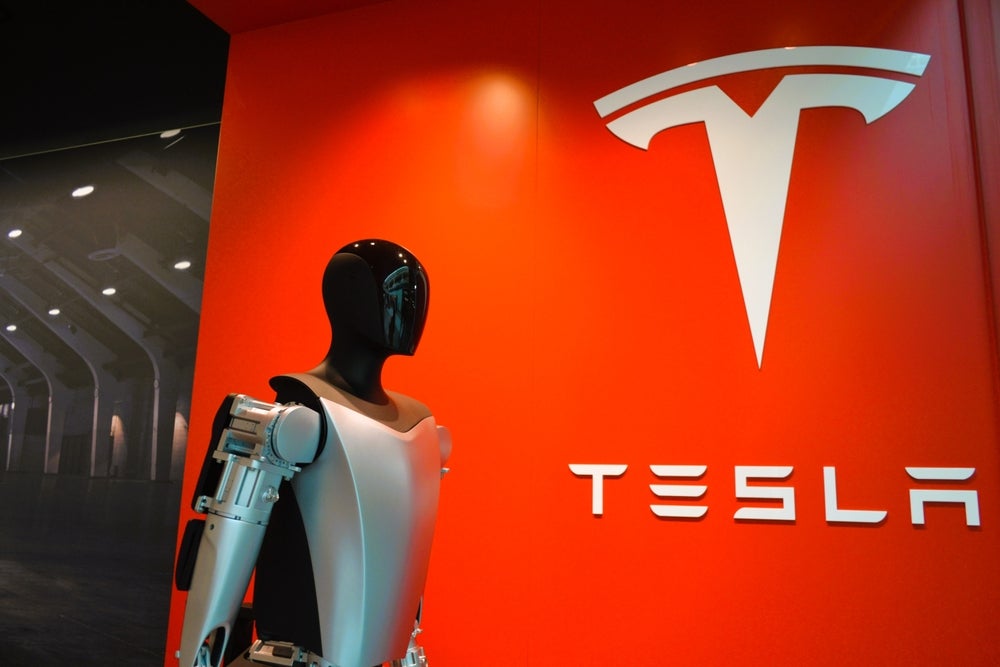
The Information recently reported that Musk’s Tesla is significantly lagging behind its goal of producing 5,000 Optimus humanoid robots by 2025, with current production numbers said to be in the hundreds.
Engineering human-like dexterity for the Optimus robots has reportedly been a major challenge. Meanwhile, the June 2025 departure of Milan Kovac, Tesla’s Vice President in charge of Optimus robotics, provided another setback. Production will now need to be scaled dramatically if the company has any chance of meeting its goal.
However, judging by Musk’s history of setting ambitious but often unrealistic targets for new products and technological breakthroughs, onlookers should not hold their breath.
A history of broken promises
During Tesla’s 2019 Autonomy Investor Day, Musk confidently asserted that the company would have one million robotaxis operational by 2020, a target that was ultimately missed.
Musk later said in 2022 that he expected Tesla to mass-produce a robotaxi by 2024. Again, this target was missed. Only in October 2024 did Tesla finally unveil a prototype of its fully autonomous Cybercab robotaxi, with production scheduled for some time in 2026. And it was not until June 2025 that Tesla finally launched a trial robotaxi service, featuring around a dozen Model Y SUVs in Austin, Texas, with a later stated goal for it to cover half of the US population by the end of the year subject to regulatory approvals.
Musk’s ambitious but unrealistic deadline setting extends beyond Tesla to his SpaceX endeavours.
In 2016, he claimed SpaceX planned to complete an uncrewed mission to Mars by 2018, which failed to materialise. The company is now targeting 2026 for such a mission. In March 2025, Musk also tweeted that a crewed mission to Mars could occur between 2029 and 2031, provided prior Starship landings on Mars go well, which increasingly looks unlikely.
Musk’s history of falling short of his ambitious goals creates a complex relationship with investors, who must weigh Musk’s visionary aspirations against his track record of missed deadlines.
Musk pressure makes diamonds
However, there are merits in Musk’s approach, which has probably contributed to him being the 21st century’s most influential innovator. His tendency to set seemingly impossible deadlines fosters urgency and focus within his teams, pushing them to achieve more than they could under less demanding circumstances. Such an environment stimulates creativity and innovation, with teams compelled to think outside the box to meet tight timelines. Despite the delays, Musk’s companies have ultimately achieved remarkable technological breakthroughs.
On the flip side, Musk’s missed deadlines can lead to disappointment and scepticism, undermining credibility with both internal teams and external stakeholders. The relentless pressure to meet unrealistic timelines can also result in burnout and decreased motivation, potentially stifling productivity and creativity. Although anyone joining one of Musk’s ventures should know what they are in for…
Speaking on his approach to deadline setting in 2018, Musk admitted that while he does have an issue with time, his ideas “pretty much always happen” even in the face of delays. As Musk faces the prospect of missing yet another deadline, do not expect the soon-to-be trillionaire to change track any time soon.