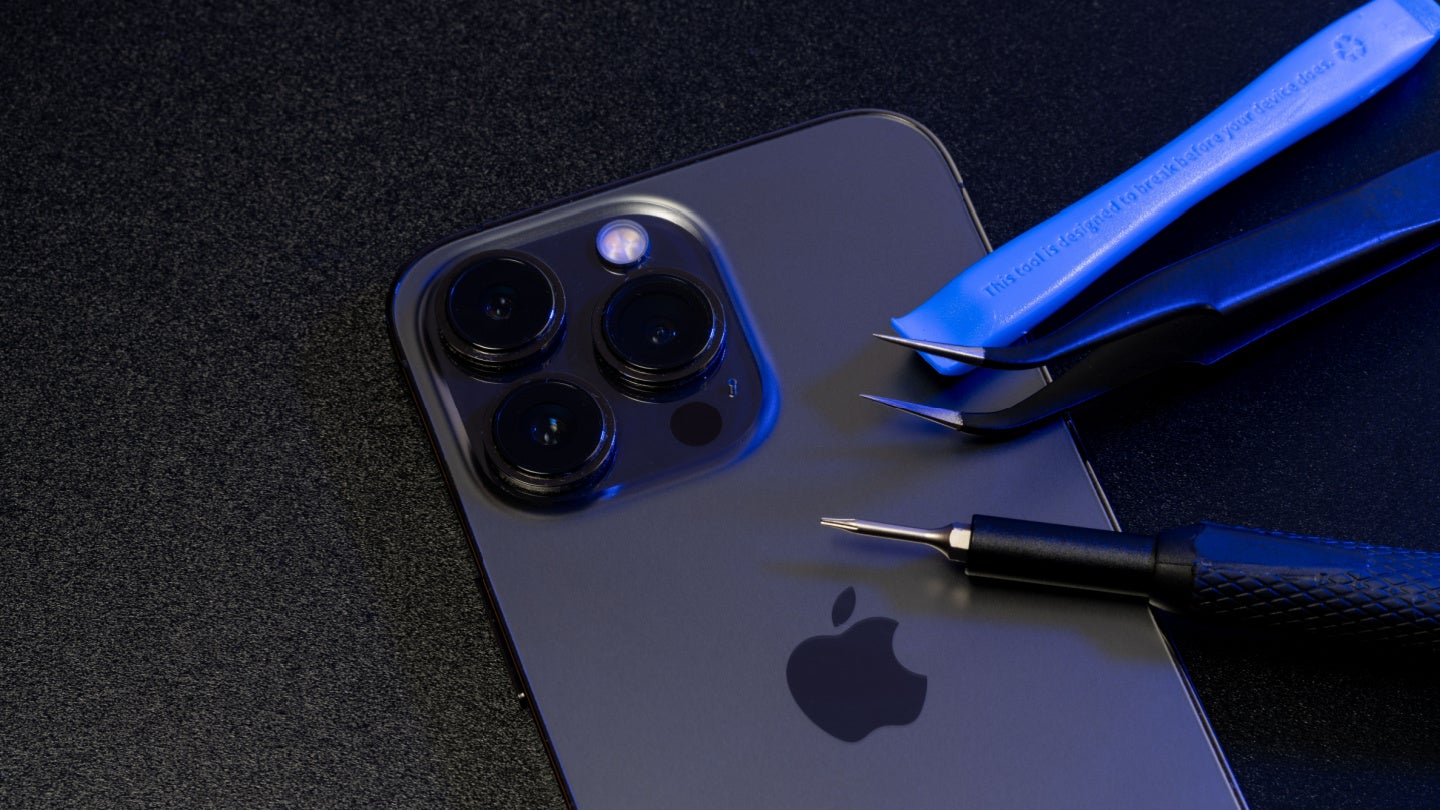
Anticipated EU right-to-repair legislation is set to disrupt the European telco market, according to GlobalData’s chief telecoms analyst Emma Mohr-McClune.
The European Council and the European Parliament reached a provisional deal on the right-to-repair directive on 2 February. The EU directive is designed to give consumers more knowledge about the lifespan their devices and is set to significantly disrupt the telco industry.
Go deeper with GlobalData


Access deeper industry intelligence
Experience unmatched clarity with a single platform that combines unique data, AI, and human expertise.
There will be greater pressure on device manufacturers to provide spare and replacement parts for a device at competitive prices. This will encourage a circular economy and make consumers more likely to self-repair rather than buying replacement devices.
Manufacturers will also need to become more involved in the development of a second-hand spare parts market and support independent repairers.
Whilst for mobile device manufacturers this will require a lot of upfront cost and change in how they operate, Mohr-McClune emphasises the important role that telcos can play. Providing repair vouchers, hosting repair workshops and offering repair assessments are all important ways that telcos can help both manufacturers and customers in the transition to right-to-repair.
“In the ongoing cost-of-living crunch, European consumers are ripe for any help they can get in reducing their household budgets, and if that means repairing a smartphone themselves instead of buying a new one, we think they’re up for it,” explained Mohr-McClune.
A recent consumer survey conducted by GlobalData saw 88% of consumers were concerned about their budgets following inflation. These concerns were consistent among consumers between the ages of 25-64.
“In the light of this regulation, European telcos will need to rethink their approach to smartphone subsidies, instalment payment policies and other forms of incentives, long used to encourage contract renewals and upgrades,” stated Mohr McClune, adding: “We could be set for a complete reconsideration of the role of existing telco retail channels in the age of the right-to-repair.”
Whilst consumers will predominantly be driven to repair their tech by financial insecurity, creating a circular tech economy can also help alleviate the pressures of possible critical mineral shortages.
GlobalData previously forecast a shortage of critical minerals, such as cobalt or lithium, in 2023 following an increase in production of electric vehicles. As the materials needed to create electronics become scarce, the price of mobile devices will rise thereby cementing consumers’ financial worry over buying a completely new device.