Following the success of its recent lunar landing, India is now preparing to launch a solar mission to study the sun.
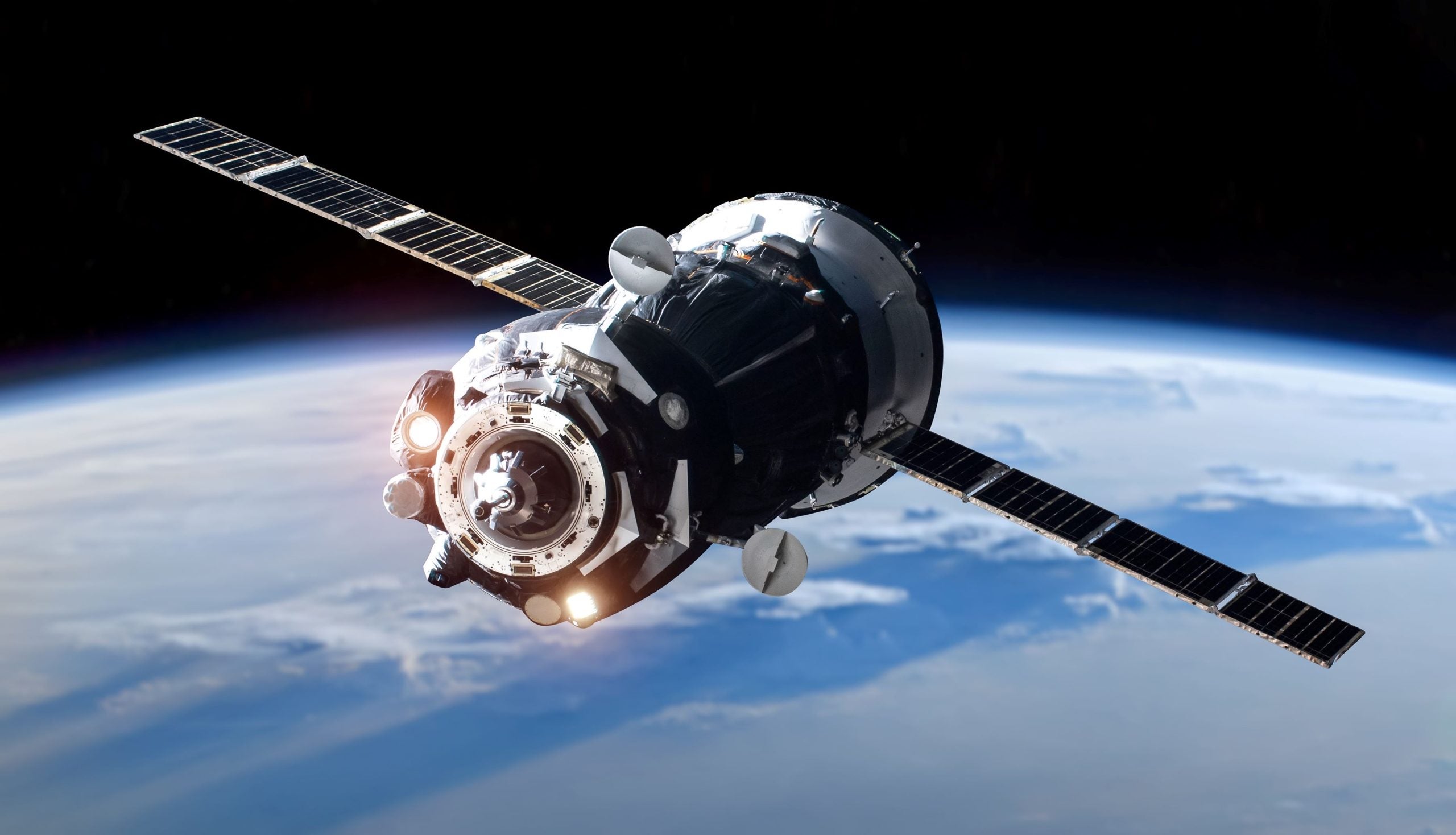
In a country first, India will be sending its Aditya-L1 spacecraft on a 125 day mission to collect data from the sun. The rocket is set to be launched on Saturday.
Go deeper with GlobalData


Access deeper industry intelligence
Experience unmatched clarity with a single platform that combines unique data, AI, and human expertise.
If successful, the nation will be one of a small number of countries currently studying the sun.
China launched a solar mission in 2022 to study solar flares and has two spacecraft currently in orbit.
Japan, the UK, the US and Europe are also involved in a joint Hinode mission to study the magnetic fields of the sun.
India’s solar mission follows hot on the heels of its successful south pole moon landing.
The Chandrayaan-3 rocket, which derives its name from the Sanskrit for ‘mooncraft,’ successfully landed on the lunar south pole after a failed attempt by Russia’s Luna-25 mission.
The Chandrayaan-3 is expected to be functional for two weeks where it will run tests on the mineral composition of the moon’s surface – the landing also makes India the fourth country to land on the moon.
The chairman of the ISRO, India’s space organisation, has previously stated that India hopes to launch human spaceflight by 2025.