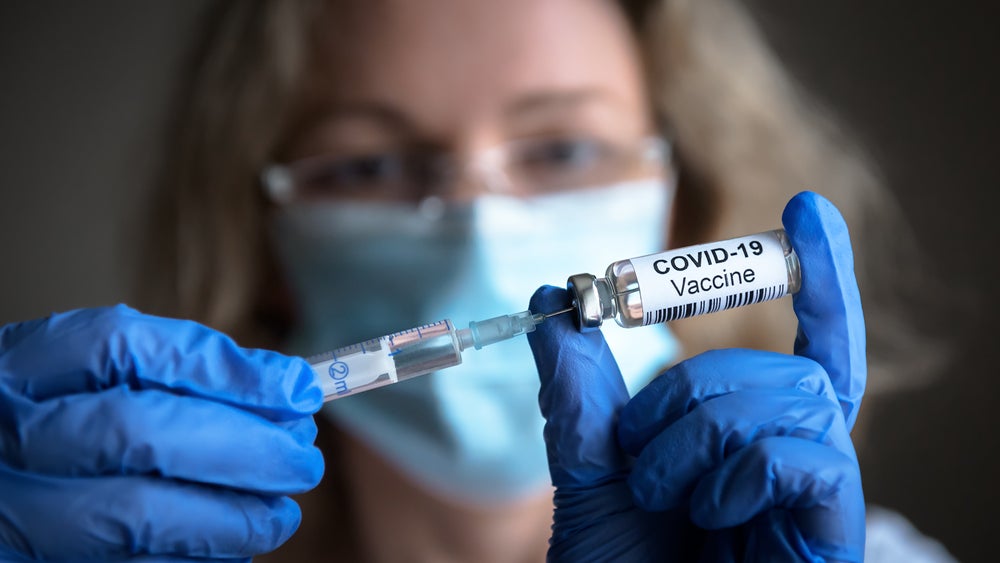
According to new research by the World Intellectual Property Organisation (WIPO), patent activity related to Covid-19 outpaced that of other recent viruses and illnesses, such as influenza and SARS, both in volume and speed of filing.
According to WIPO’s Patent Landscape Report: Covid-19-related vaccines and therapeutics issued on 20th April, 2023, a total of 7,758 patents on technologies related to Covid-19 were filed globally from January 2020 to September 2022.
Go deeper with GlobalData


Access deeper industry intelligence
Experience unmatched clarity with a single platform that combines unique data, AI, and human expertise.
Among the patent applications, 4,787 were for therapeutics intended for people already infected with the coronavirus that causes Covid-19 and 1,298 of applications were for vaccine development.
The report found that China had the highest volume of patent applications in both vaccines and therapeutics during the same period, followed by the US, Germany and the Republic of Korea for vaccines, and the US, Republic of Korea and India for therapeutics.
Patent applicants were distributed almost equally between companies, universities and research organisations, but with companies accounting for a larger proportion of the two datasets.
The report found that antibodies were the fastest growing type of biologic therapeutics, accounting for around a third of the patents filed in this category during January 2020 to September 2022.
WIPO director general, Daren Tang, said: “The speed of innovation in this field has been built on a foundation of scientific research and R&D investment stretching over decades, which in turn, has been supported by the incentives provided by the global IP ecosystem.
“This [patent landscape] report provides researchers, decision makers and other stakeholders with insights into how the patent system has adapted and responded to the challenges of the last two and a half years.”