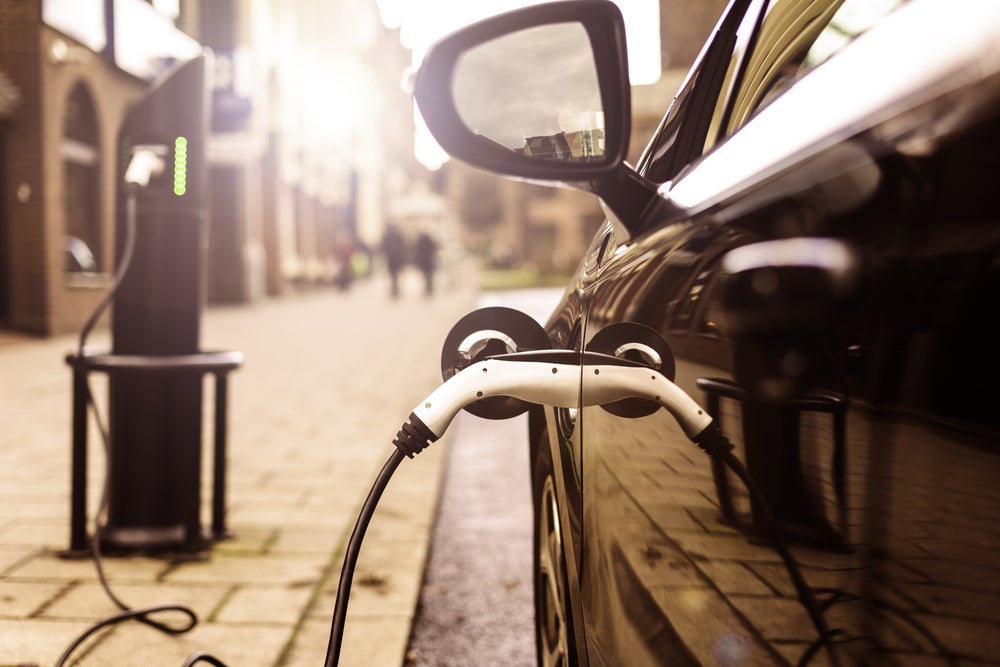
The UK’s decision to delay the 2030 ban on the sale of new fossil fuel cars for five years will make little difference to investment in electric vehicles (EVs), experts have claimed.
The 2030 fossil fuel car ban was issued by former Prime Minister Boris Johnson who claimed it would position the UK as a global leader. The UK’s ban was ahead of the 2035 ban in the EU.
Go deeper with GlobalData


Access deeper industry intelligence
Experience unmatched clarity with a single platform that combines unique data, AI, and human expertise.
Prime Minister Rishi Sunak announced the decision to push back the target by five years on 20 September, stating that he believed it would help reduce the financial burden on Britons.
“Our UK light vehicle electrification forecast has always assumed that the 2030 gasoline and diesel Internal Combustion Engine ban would not take place,” Alastair Bedwell, analyst at research company Globaldata, told Verdict, referencing the company’s recent forecast document.
If the fossil fuel car ban had gone through in 2030, the move would have misaligned the UK with EU regulation, which would have caused problems “given the level of vehicle trade flows between the two jurisdictions,” Bedwell said.
Bedwell added that at the time of the announcement, many original equipment manufacturers (OEM) were calling the target impractical.
“We don’t think this will slow investment in the sector significantly,” Bedwell said.
“The requirement to shift to zero emission vehicles is in place for 2035 and most OEMs are aiming to achieve this sooner in Europe,” Bedwell said.
The UK has a roadmap towards zero emission vehicles (ZEV), separate to the 2035 ban. This roadmap sets ZEV quota targets for car manufactures at certain points in time.
The roadmap states that car manufacturers must be producing at least 50% electric cars by 2028, and moves to 80% by 2030.
Bedwell says that this could very well have a similar effect as the ban remaining in 2030.
“An 80% battery electric vehicle target in 2030, while not 100%, means that ICE cars will decline to such low sales volumes that many manufactures will simply stop selling them in any case,” Bedwell said.
“In the real world, it’s not so different from a 100% target in 2030,” he added.