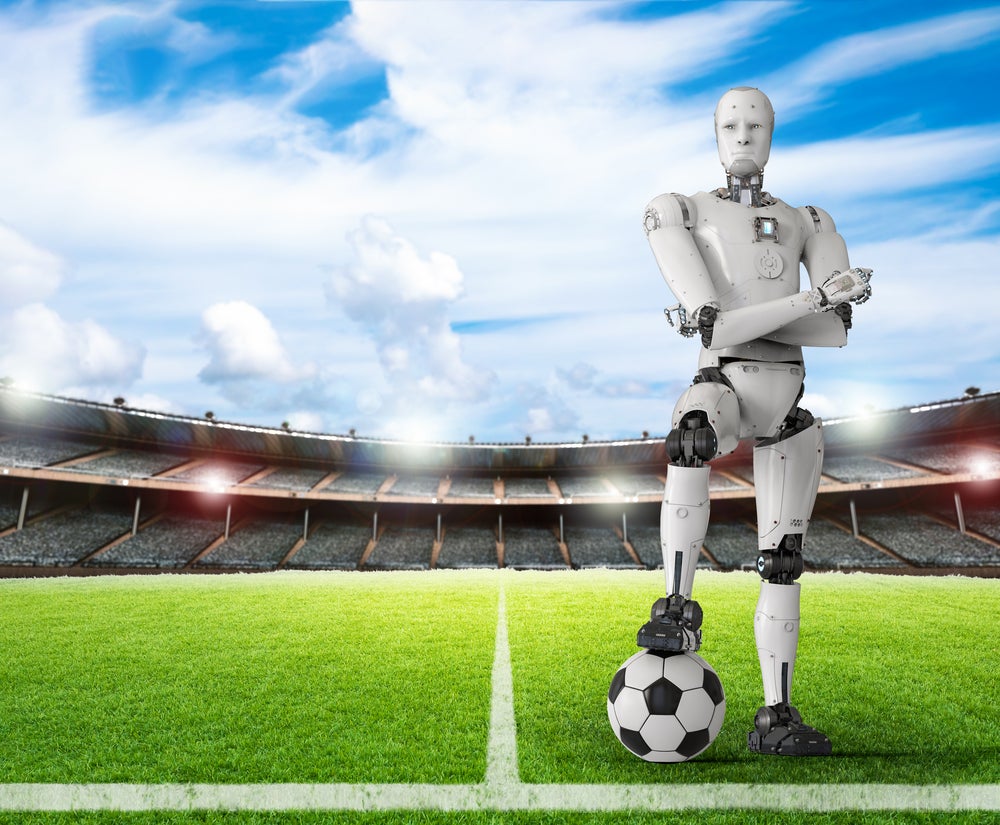
China recently hosted its first-ever “Humanoid Robot Games” in Beijing, a large-scale competition that brought together more than 500 robots from 280 teams across 16 countries.
The event was styled like an Olympic spectacle, with robots attempting everything from running and soccer to dancing and kickboxing. It was meant to display the nation’s advances in robotics, but the results showed both progress and the many challenges that remain.
The games took place at the National Speed Skating Oval, a 12,000-seat venue originally built for the 2022 Winter Olympics. Though livestreams captured the events, many seats in the arena remained empty, with tickets priced between $25 and $80. Participants included private companies, top Chinese universities, and even middle school robotics teams. All robots needed large open spaces to operate, and even then, many struggled to stay upright.
Robots race, dance, and fall
The competitions kicked off with a 1,500-meter race. Unitree, one of China’s leading robotics companies, secured first and third place. Another robot, X-Humanoid, which had previously completed the first humanoid half-marathon, came in second. Not all competitors managed to finish; one machine was forced to stop midway after its head detached while rounding a corner. The episode underscored one of the biggest technical challenges: keeping robots stable while moving.
Beyond racing, the event featured performances closer to entertainment than sport. Robots dressed in fashionable clothes attempted runway walks, only to trip and fall. Some played instruments in a “band,” while others tried to dance. At times, the machines jerked and spun to pop songs while screens showed clips of robots working in convenience stores or helping with household tasks. The spectacle drew laughter and cheers but also made clear that robots remain far from matching human ability.
The sports-based contests had their own share of mishaps. Kickboxing robots, also built by Unitree, delivered solid kicks but often toppled over after missing. On the soccer field, attacking robots struggled to score against a stationary goalkeeper. When one did finally manage a goal, the goalkeeper promptly collapsed from losing balance. These stumbles were common across the different categories, making the Games as much about falling as competing.
A showcase with mixed results
While the event was lighthearted, it carried a serious purpose. The Humanoid Games are part of a larger push by the Chinese government to fast-track its robotics sector and position cities like Beijing and Shanghai as global technology hubs. China has invested billions of dollars to speed up development, aiming to compete with rivals like the United States. In recent months, humanoid robots in China have also been tested in marathons and boxing matches, all intended to promote the industry.
Still, the showcase left a mixed impression. Instead of inspiring confidence in the near-term potential of humanoid robots, the frequent breakdowns and falls raised questions about readiness.
Robots that cannot finish races or keep their heads attached may not soon replace human workers or provide reliable assistance in households. While the event succeeded in attracting attention, it also highlighted the long road ahead before robots achieve human-level performance.
In the end, the Humanoid Games were entertaining and at times even comical. They demonstrated how much progress has been made in building robots that can walk, run, and interact. But they also reminded the world that even with significant investment and talent, building machines that can reliably mimic human movement remains one of the toughest engineering challenges. For now, robots are still stumbling toward the future.