
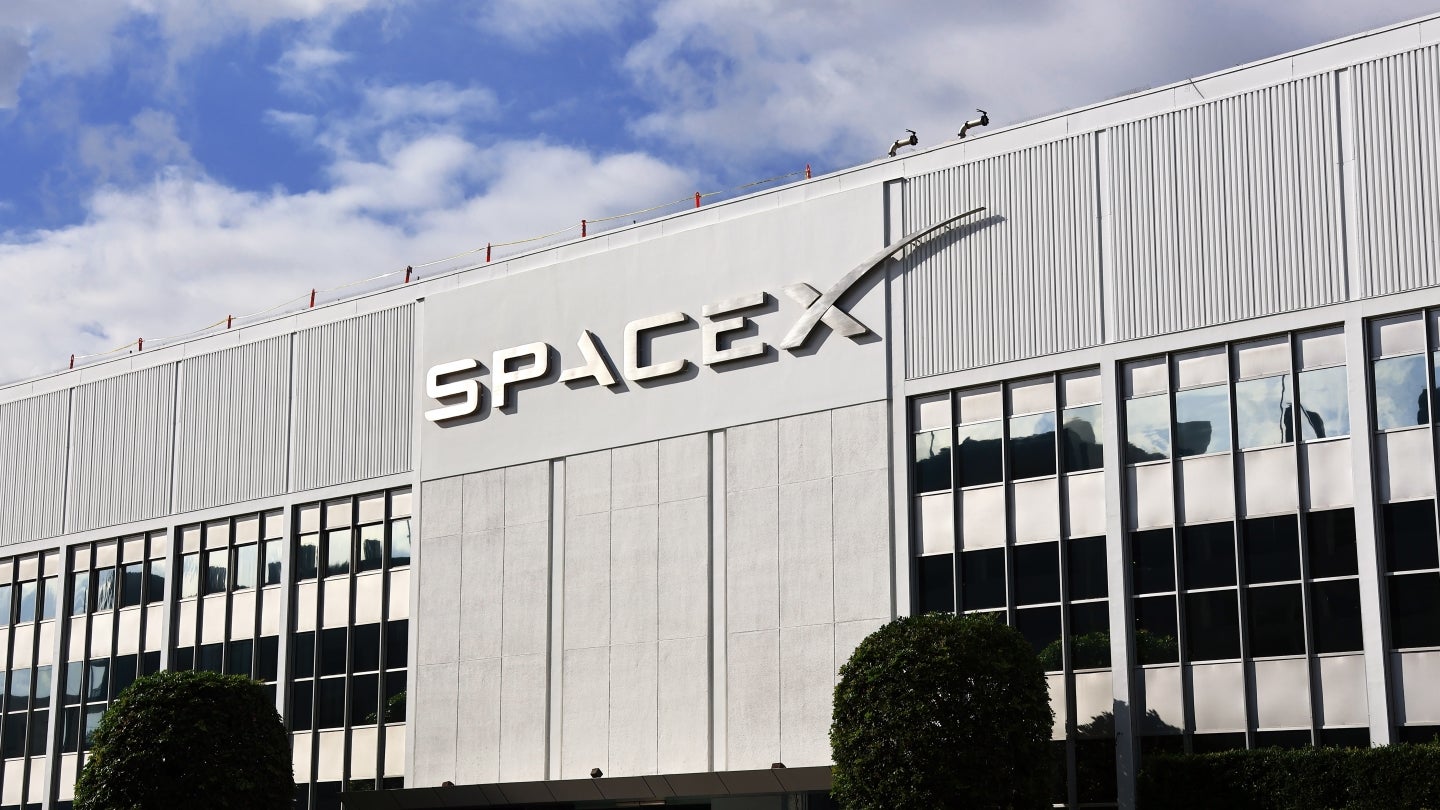
Elon Musk’s SpaceX has agreed to enter an approximately $40bn master finance lease with an entity managed by Apollo Global Management.
Under the arrangement, the Apollo-managed entity will acquire GPU pods and related equipment and lease them to SpaceX for use at data centres selected by the company.
Go deeper with GlobalData


Access deeper industry intelligence
Experience unmatched clarity with a single platform that combines unique data, AI, and human expertise.
This capital outlay will support SpaceX’s planned computing and superintelligence infrastructure through its terrestrial compute buildout, with the hardware incorporating next-generation Nvidia Vera Rubin chips.
Institutional financing parties backing the deal form a consortium spearheaded by Apollo and Goldman Sachs, the latter serving as sole structuring agent.
Anchor support has been pledged by KKR-advised capital accounts together with funds and accounts overseen by BlackRock and Goldman Sachs Asset Management.
Hardware rollout is structured across several tranches.
Every tranche will carry its own lease schedule running roughly five to five and one-quarter years starting from delivery, with commencement anticipated in the first half of 2027.
Finalisation of the overarching master lease is slated to conclude prior to the close of 2026, contingent on specific closing stipulations.
Every quarter, advance lease instalments will consist of three parts: 5% (one-twentieth) of that tranche’s financed cost, interest calculated at a fixed yearly rate against the remaining lease balance and defined ongoing operational expenditures and costs.
That interest rate is scheduled to be determined at pricing ahead of signing the master agreement.
Across all individual schedules, cumulative principal payments are forecast to equal the financed sum over their respective terms.
SpaceX CFO Bret Johnsen said: “This lease diversifies our funding sources and addresses a notable portion of the funding required to deliver on our growth plans as we aim to get additional compute online at record speeds to power Grok for enterprises and consumers, as well as serve existing and future cloud services customers.”