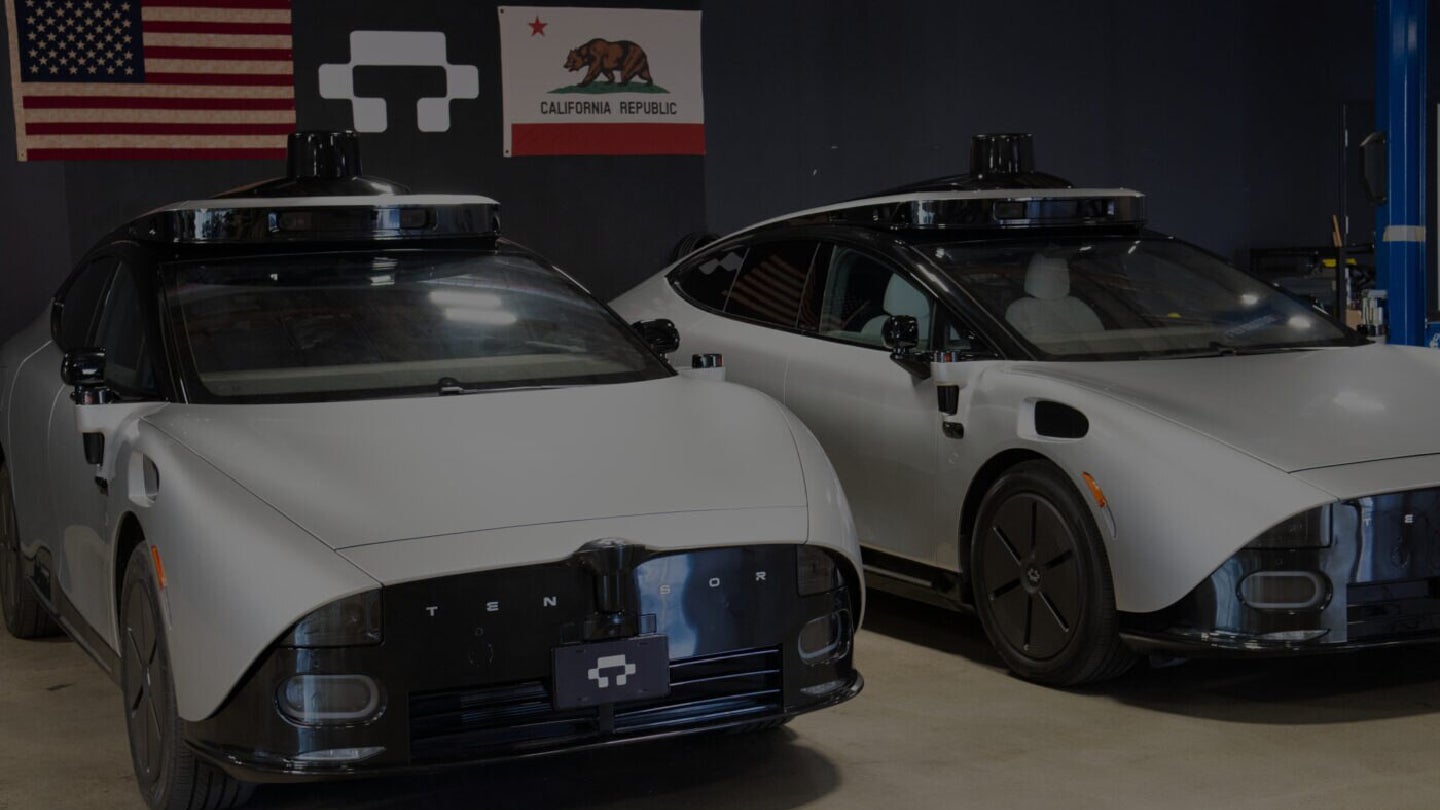
American AI company Tensor and Arm have entered into a multi-year agreement to develop the compute architecture for what both companies state will be the first personal robocar powered by agentic AI.
Tensor will use Arm’s computing platform to manage AI workloads throughout each vehicle, integrating more than 400 Arm-based cores in each model.
Go deeper with GlobalData


Access deeper industry intelligence
Experience unmatched clarity with a single platform that combines unique data, AI, and human expertise.
This partnership aims to support Level 4 autonomous driving features, with commercial deployment planned across the US, Europe, and the Middle East by 2026.
Both companies said that the robocar will rely on an integrated autonomy stack and an extensive sensor suite.
This includes 37 cameras, five lidars, 11 radars, 22 microphones, ten ultrasonic sensors, three inertial measurement units (IMUs), global navigation satellite system (GNSS) capability, 16 collision detectors, eight water-level detectors, four tyre pressure monitors, a smoke detector, and connectivity through triple-channel 5G.
Tensor’s approach involves building its vehicle architecture around AI from inception rather than retrofitting legacy platforms.
The Arm compute platform deploys safety-capable intelligence across the vehicle from onboard supercomputing units to individual sensors.
The vehicles incorporate 433 Arm-based cores using various Arm architectures, including Neoverse AE for AI processing, Cortex-X for cabin control and system management, Cortex-A for drive-by-wire and general computation, Cortex-R for real-time systems critical to safety, and Cortex-M for power-efficient subsystem control.
These elements work alongside NVIDIA technology to enable Tensor’s proprietary autonomy features.
Arm Physical AI Business Unit EVP Drew Henry said: “Combined with a deeply established software ecosystem that delivers critical toolchains, safety certification, and industry standards, Arm provides the foundation for pioneering physical AI innovation.
“Tensor’s Robocar is a standout example of that innovation in action, pairing a clear vision with the engineering rigour needed to bring autonomy to market at scale.”
The companies have also formed collaborations with several suppliers in automotive hardware and cloud computing.
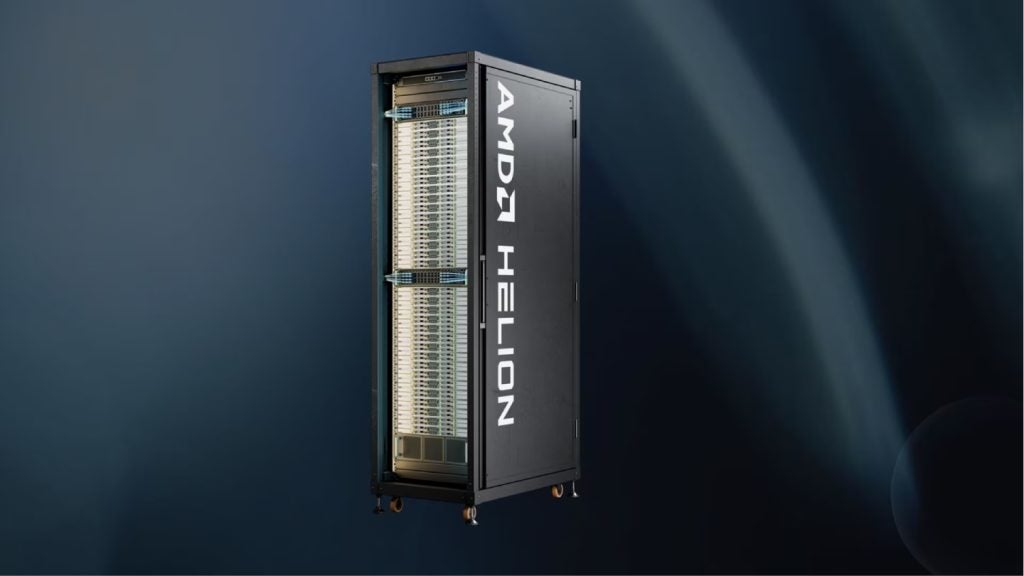
Partners named in connection with production and technology provision include Autoliv, ZF, Continental, NVIDIA, AMD, Qualcomm, Samsung and Oracle.
Tensor plans to launch its personal robocar fleet globally in 2026 as part of efforts to advance next-generation mobility.
Tensor COO Dr Jewel Li said: “Our collaboration with Arm leverages their deep, decades-long expertise and leadership in AI-capable compute, which, alongside our broader ecosystem of strategic partners, ensures that the Tensor Robocar moves seamlessly from advanced technology to real-world roads, safely and reliably.”