Elon Musk’s SpaceX has announced a partnership with African e-commerce company Jumia to expand broadband internet in Africa, Jumia’s chief commercial officer said in an interview, according to Bloomberg.
The e-commerce company will sell Starlink satellite terminals in 11 select African nations, expected to begin with Nigeria in the next few weeks.
Go deeper with GlobalData


Access deeper industry intelligence
Experience unmatched clarity with a single platform that combines unique data, AI, and human expertise.
In January, Nigeria became the first African country to receive Starlink services.
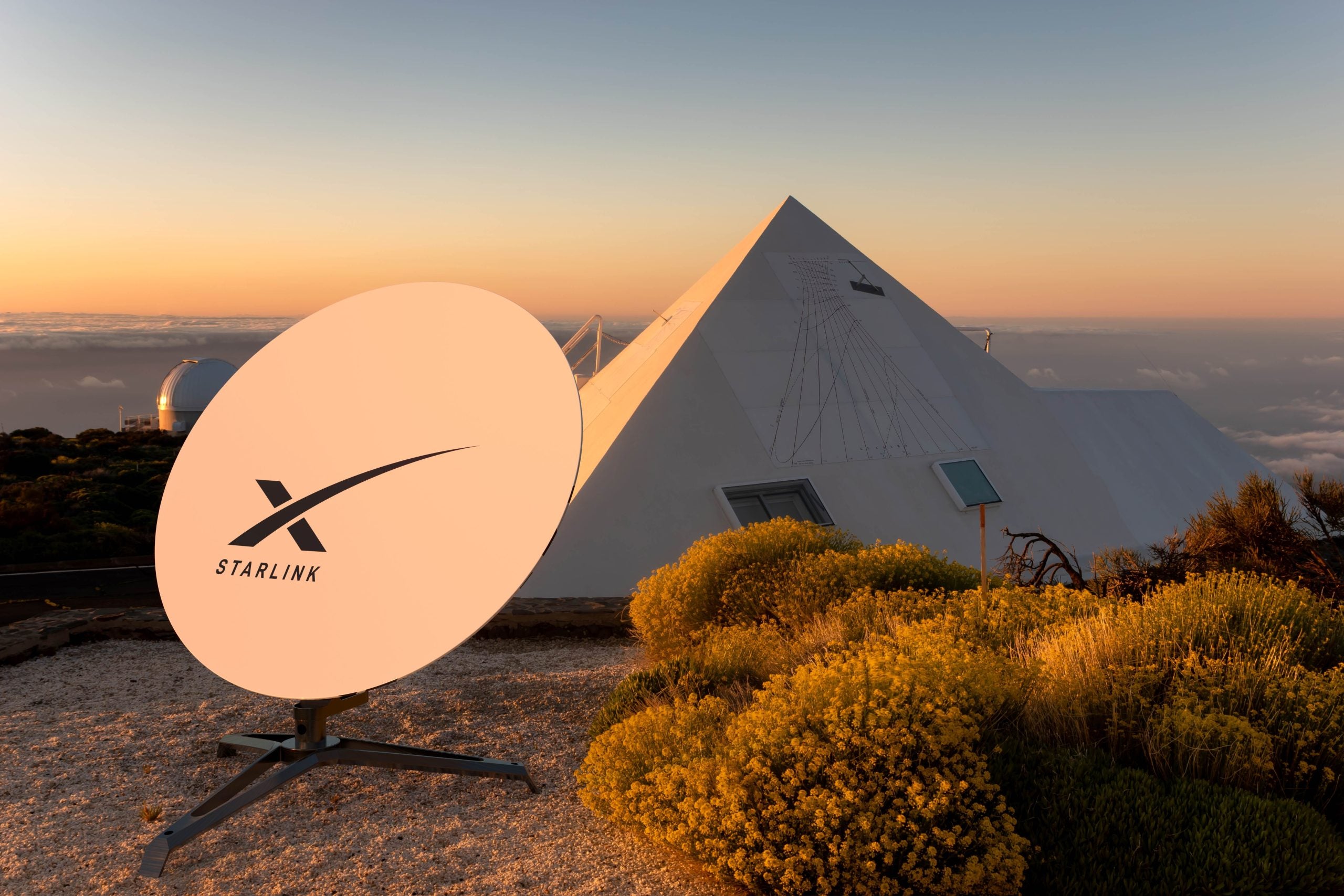
SpaceX does not directly connect its satellites to handsets. Instead, it uses small flat user terminals, which have phased array antennas to track the satellites. The terminals are portable and can be placed anywhere in view of the sky.
Starlink currently has over 5,000 small satellites in low Earth orbit, which provide internet coverage to areas that were previously unconnected. This includes many remote regions where internet penetration is low due to cost or infrastructure limitations.
When Starlink launched in Kenya in July of this year, customers were critical of the high upfront installation cost, which includes a non-refundable booking fee of $99 and $628 for the terminal itself. This is coupled with shipping and installation costs and a monthly subscription fee of $46.
GlobalData’s Thematic Intelligence: The Space Economy report puts the value of the space industry in 2022 at $450bn and suggests that it will see a compound annual growth rate of between 6% and 10% from then until 2030.
Last week, SpaceX’s military-optimised Starshield won a $70m contract with US Space Force to support over 50 mission partners across the US military and will be obligated $15m by the end of September.
Starlink’s role in military settings made headlines when SpaceX sent Ukraine shipments of Starlink satellites for use against Russia’s invasion.
In June, The Yomiuri Shimbun reported that Japan’s military is looking at adopting Elon Musk’s Starlink satellite internet service next fiscal year.