In recent years, more countries have lowered the voting age to 16, giving young people a chance to influence politics earlier than ever before.
Austria did this back in 2007, Scotland followed in 2014 for local and parliamentary elections, and countries like Brazil, Argentina, Ecuador, and Cuba allow 16-year-olds to vote in national elections. Most recently, in 2025, the UK announced that 16-year-olds would be eligible to vote in future elections.
Although this is an exciting step toward a more inclusive democracy, it also opens a new front in the battle against misinformation. In the digital age, 16-year-olds are often referred to as “digital natives”. Their primary sources of information are social media platforms such as TikTok, Instagram, and Snapchat. These digital-first voters are stepping into a political world already flooded with deepfakes, algorithm-driven feeds, and viral memes.
However, this all raises an important question: are they ready for it?
The digital lives of 16-year-olds
Research shows just how different younger voters’ information diets are. A 2023 Change Research Study found that over 70% of Gen Z respondents said they primarily encountered political news through platforms like Instagram, TikTok, and YouTube—not through traditional outlets.
According to Statista’s Gen Z media consumption data, 98% of Gen Z individuals in the UK were active on social media as of September 2024. The figure is higher than that of millennials (97% ), Gen X (92%), and baby boomers (86%). As a result, social media has become a central part of Gen Z’s daily routines, with TikTok averaging around 120 minutes of use per day among people aged 15 to 24. Instagram records less daily engagement, with users spending under 30 minutes on average, but it reaches the largest share of this group at 53%.
For many teenagers, traditional long-form news articles are rarely the primary source of information. Instead, news is often accessed through short TikTok explainers and trending hashtags. While this format can make topics like politics more accessible, it also increases the risk of misinformation spreading quickly, particularly when the content is designed to be catchy and emotionally triggering.
The tactics of misinformation
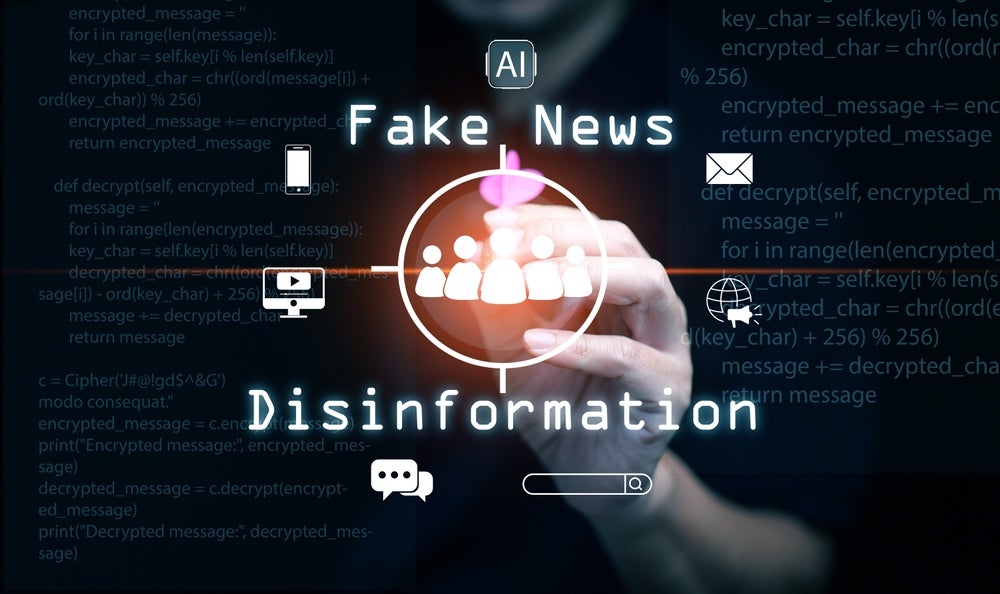
Misinformation campaigns know exactly how to target young first-time voters. In 2024, researchers at the University of Washington warned that AI-generated deepfakes were becoming indistinguishable from authentic content, using deepfake political speeches that fooled large portions of test audiences. For first-time voters, the risk is not just believing a fake video of a politician but also losing trust in all video content. If a 16-year-old cannot be sure whether a candidate’s words are real, scepticism and apathy may take over, weakening their participation in democratic life.
From the videos they watch to the brands they follow, young voters leave a huge digital footprint. Political campaigns and malicious actors use this data to deliver micro-targeted ads tailored to their interests.
For example, during Brazil’s 2018 election, WhatsApp groups were flooded with false information targeted at young voters, including fake crime statistics and doctored news stories about the candidate. These were often framed in a way that appealed directly to the cultural and emotional touchpoints of youth. At 16, with limited political experience, micro-targeted ads can feel highly persuasive because they connect with identity and lifestyle rather than policy.
Protecting digital natives
Lowering the voting age to 16 is a milestone for democracy, but it also highlights a digital vulnerability that cannot be ignored. These young voters are stepping into politics in a time when truth competes with misinformation. Protecting their first votes means equipping them with the skills to tell fact from fiction, holding platforms accountable, and treating digital literacy as an essential element of democracy.