In recent years, AI has become an increasingly valuable tool in the film and TV industry.
It is being used across the filmmaking process: streamlining casting and location scouting in pre-production, automating certain visual effects and localisation tasks in post-production, and driving engagement through personalised recommendations on streaming platforms.
Go deeper with GlobalData


Access deeper industry intelligence
Experience unmatched clarity with a single platform that combines unique data, AI, and human expertise.
However, it has also become a controversial topic within the industry, with many concerned that it devalues human artistry and produces low-content work.
AI is already here
Studios have used AI to generate entire sequences for films and TV. For example, an episode of Amazon’s House of David (series two, 2025) used generative AI to create an origin sequence for one of the characters. Series creator Jon Erwin said that AI allowed them to produce the visuals they wanted “in a budget and time frame that [they] could afford,” noting the sequence took a few weeks with AI versus an estimated four to five months without it.
Similarly, Marvel worked with Method Studios to produce AI-generated opening credits for Secret Invasion (2023). The sequence—made to look like drawings—depicted Earth’s invasion by shapeshifting aliens, with green clouds sprawling over cities, an uncanny London skyline (featuring two Big Bens), and distorted images of actors’ faces.
Both shows faced intense backlash over their use of AI. Viewers claimed that they could immediately tell that the Secret Invasion’s opening was AI-generated; many disliked the visuals, calling them ugly, inaccurate, or saying that there was simply something “off” about them—a common reaction to AI images.
Method Studios asserted that “no artists’ jobs were replaced,” but that claim is undermined by substantial job losses in the VFX industry in 2023 (the UK VFX sector, for example, saw roughly a 40% reduction in jobs, according to the UK Screen Alliance). Even if AI does not directly replace personnel, its use can eliminate at least one role a human might otherwise have filled.
Distrust among audiences
Because some studios have used AI to create VFX and only clarified this after release, a general distrust has developed among audiences, with people crying “AI” even when it hasn’t been involved. For example, some viewers suggested that the two-minute recap animation in the introduction of Gladiator II (2024) looked AI-generated, even though it was painted by Italian artist Gianluigi Toccafondo.
This technology, has a dual effect: it can reduce job opportunities for artists and simultaneously devalue the work that is still available to them, implying a machine must have done it for them. To avoid misunderstandings and “AI witch hunts,” studios should clearly disclose when and how AI was used—ideally within the film or TV show itself.
In Secret Invasion’s end credits, the only clue to any AI involvement was that an “AI technical director” was listed among VFX credits, with no explanation of the technology’s role. This lack of transparency risks eroding audience trust and damaging a studio’s reputation, leaving viewers suspicious of new releases and wondering which moments were AI-generated. It can also make audiences feel insulted, as if the studio tried to deceive them or assumed they wouldn’t notice that, instead of handcrafted visuals, they have been fed “AI slop”.
A complicated legal situation
Another issue studios are facing is that AI-generated work cannot be copyrighted. If filmmakers rely on it to create substantial portions of a work, they risk leaving those elements unprotected.
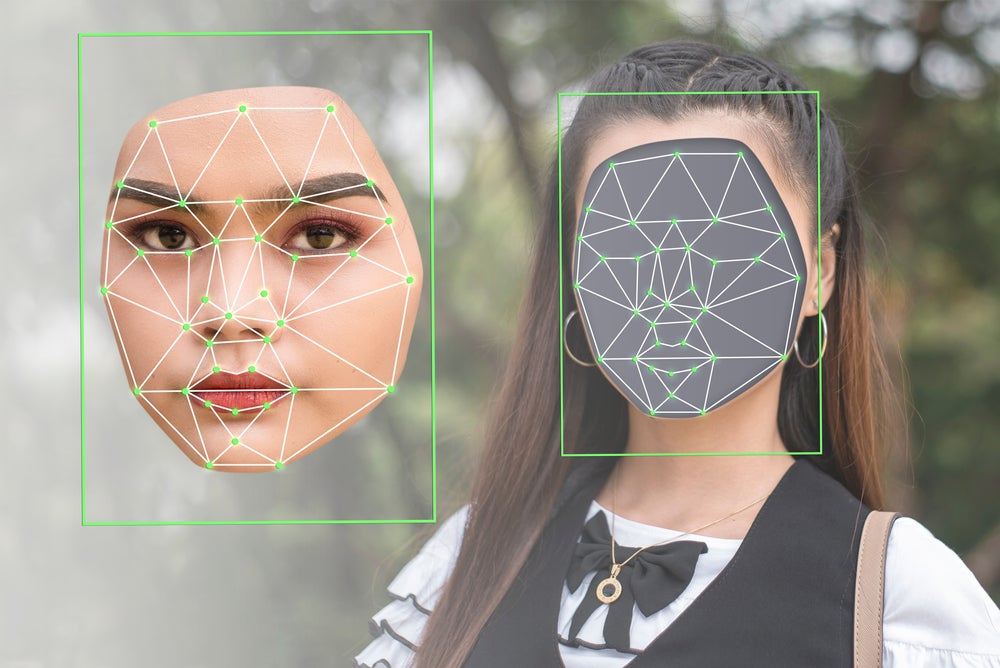
The threshold of human involvement required for copyright is still unclear, which has led some studios to abandon projects over legal and ownership concerns. For example, Disney considered using a digital double of Dwayne “The Rock” Johnson for a live-action remake of Moana (2016), working with Metaphysic to create deepfakes of the actor’s face and map them onto clips of his stunt double and cousin, Tanoai Reed, so that Johnson would not have to come to set every day.
Johnson approved the project, and Disney spent roughly 18 months developing the digital double. However, the studio became worried about audience reception and that they may not be able to claim ownership over every element of the film if it included AI-generated elements, leading them to scrap the project.
The AI drawbacks
While AI can accelerate parts of the filmmaking process, it arguably causes more harm than good: potential job displacements, reduced recognition for artists, and audience distrust are all growing concerns.
To mitigate these harms and prevent audience rejection, studios should adopt transparent policies that credit artists, explain how AI was used, and disclose that information prominently—ideally on-screen. Even then, audience reaction to AI has thus far been consistently negative, with many perceiving using it to be inherently lazy, with the output being low-quality.
Creating any form of art typically requires thought and effort, which AI fundamentally lacks. It is unsurprising that audience perceptions of AI are so negative, and this seems unlikely to change. As a result, studios will need to decide: is saving some time and money worth sacrificing their content and reputation?