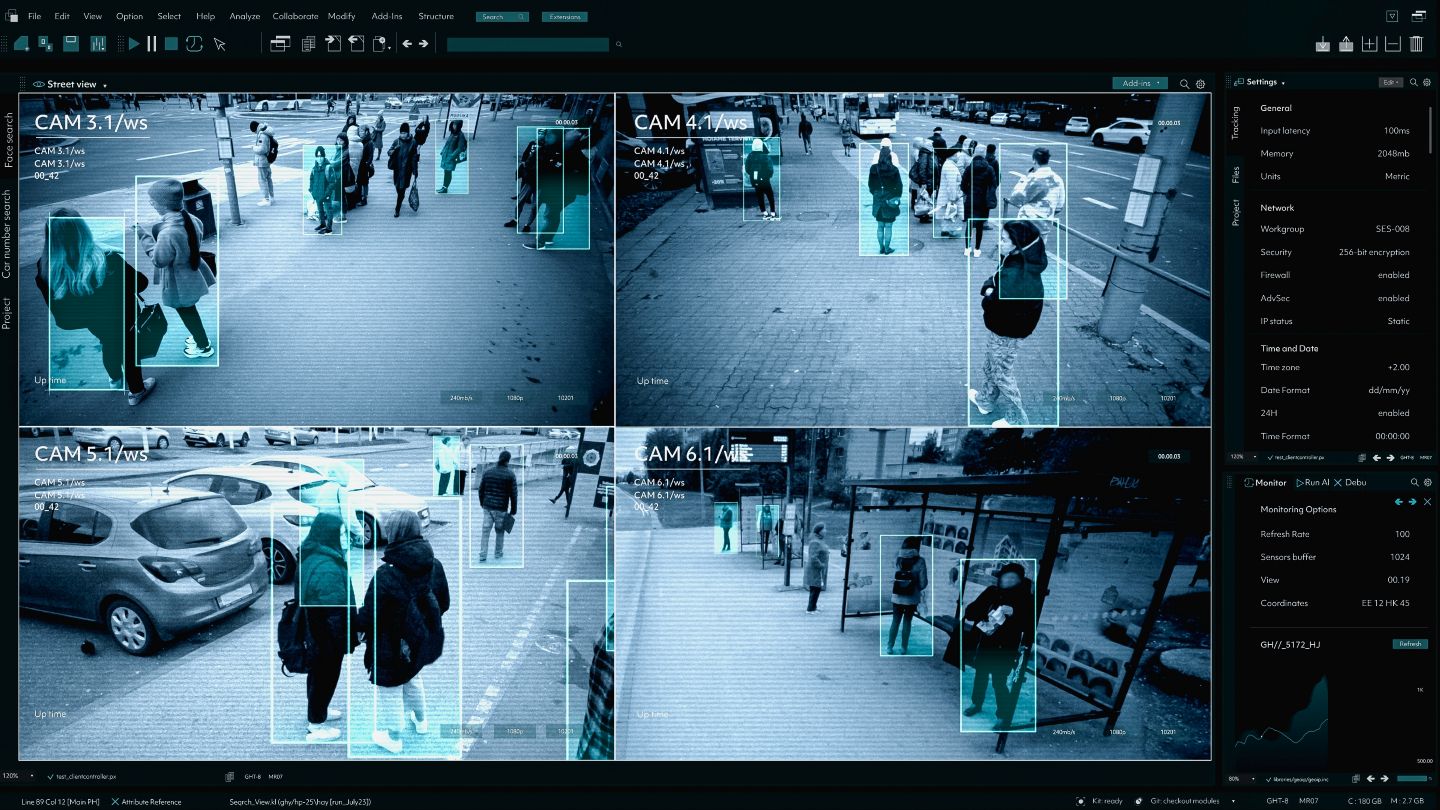
The Shaping the Future of Justice and Emergency Services conference, hosted by techUK on 3 December 2025, raised a key topic within the criminal justice sector on the current process of digital interoperability across the police forces and how it should be used to maximise data efficiency and quality.
The idea behind digital interoperability, according to the Interoperability Police Working Group (IPWG), is the ability to make sure the different IT solutions and services used across police forces in England and Wales can work together seamlessly and efficiently. Thus, allowing for coherent data sharing and improved communication amongst the 43 different territorial police forces.
Go deeper with GlobalData


Access deeper industry intelligence
Experience unmatched clarity with a single platform that combines unique data, AI, and human expertise.
This central theme continued in various conversations throughout the conference, mainly key panellists within the Criminal Justice Community, including Scott Dunn, who is the chief information officer at Humberside Police Force. The panellists provided a positive outlook on police digital interoperability, stating that it is a vital component for allowing improved collaboration between all aspects of criminal justice systems used within the police, courts, and their respective public safety partners, stating it would allow for faster and more accurate decisions to be made through connected systems, and better outcomes regarding the public in areas such as reducing delays and duplication of data.
However, one of the biggest issues currently within UK policing is the lack of interoperability across the 43 territorial forces. The main issue with the integration of all systems is that most forces are tied into different technology contracts, which were undertaken at different times, making it incredibly difficult to implement digital interoperability, as each force’s IT systems would need to be replaced at different times to one another and could be perceived as counterproductive.
Furthermore, the structure of each force is very different due to individual budget restraints, and thus affects the systems that are available for them to procure. This is another factor as to why collaboration between forces is difficult to achieve.
Collaboration between forces is key in making sure data is shared effectively and is being used to the best of its ability to help solve crime, and should be made a priority when deciding on what technology police forces should spend their budgets on.
Nevertheless, engagement with digital strategy and improved technology is becoming increasingly recognised within forces such as the Metropolitan Police Service (MPS). The MPS has recently announced DXC Technology as their master vendor for a major IT transformation programme, which aims to help optimise collaboration between departments in the force. This is a positive development, and although the focus is only on the MPS, it is focusing on how there needs to be greater integration between internal departments within the force itself.
According to the National Policing Digital Strategy 2025-2030, it is estimated that from FY2025-2026, total police spending on IT systems will reach £2bn, with approximately £590m of that allocated to maintaining legacy systems. This substantial level of expenditure represents a missed opportunity to invest in more modern and secure technology solutions, aiding interoperability.
Furthermore, the National Police Chiefs’ Council (NPCC) stated that investment in modern technology could release up to 15 million hours of police time, enabling officers to concentrate on higher priority tasks. It was also noted that further investment into technology could make an additional 41,000 police hours available each day, with the next steps being to expand these ideas across all territorial forces in England and Wales.
A question raised to panellists enquired the possibility of all police forces using the same technology solutions and systems, which provoked a range of reactions from the panellists, some favourable and some less so. Though the most common response was that, in terms of practicality, ensuring all 43 territorial forces were at a place where they could start using the same technology systems and solutions would, however, be too time-consuming and therefore unlikely to be an attainable goal.
Lastly, competition in the technology market is what helps to drive innovation, so by removing that competitiveness, it could hinder each force’s abilities to maintain upkeep with technological advances and the demands that follow, whilst hindering their ability to keep up with the transformation and modernisation of different crime types.
Globaldata Criminal Justice and Defence Analyst Daisy Smith summarises that “we don’t need police forces to have identical technological systems, we just need to create greater interoperability across the different forces”.