Over recent years, international connectivity strategies have largely been driven by scale — favouring bigger pipes, alternative routes, and the assumption that capacity would keep pace with demand. However, with the rise in data traffic contributed by AI, data-intensive workloads and diminishing tolerance for outages are forcing carriers to rethink how international networks are designed and evaluated. In that context, Australian operator SubCo announced that it would build the APX East cable, directly connecting Australia to the US by 2028. This can be viewed as a significant step forward in strengthening the country’s national telecommunications resilience. Should governments play a great role in how their critical information is controlled, especially at a time of rising geopolitical tensions and cyber risk?
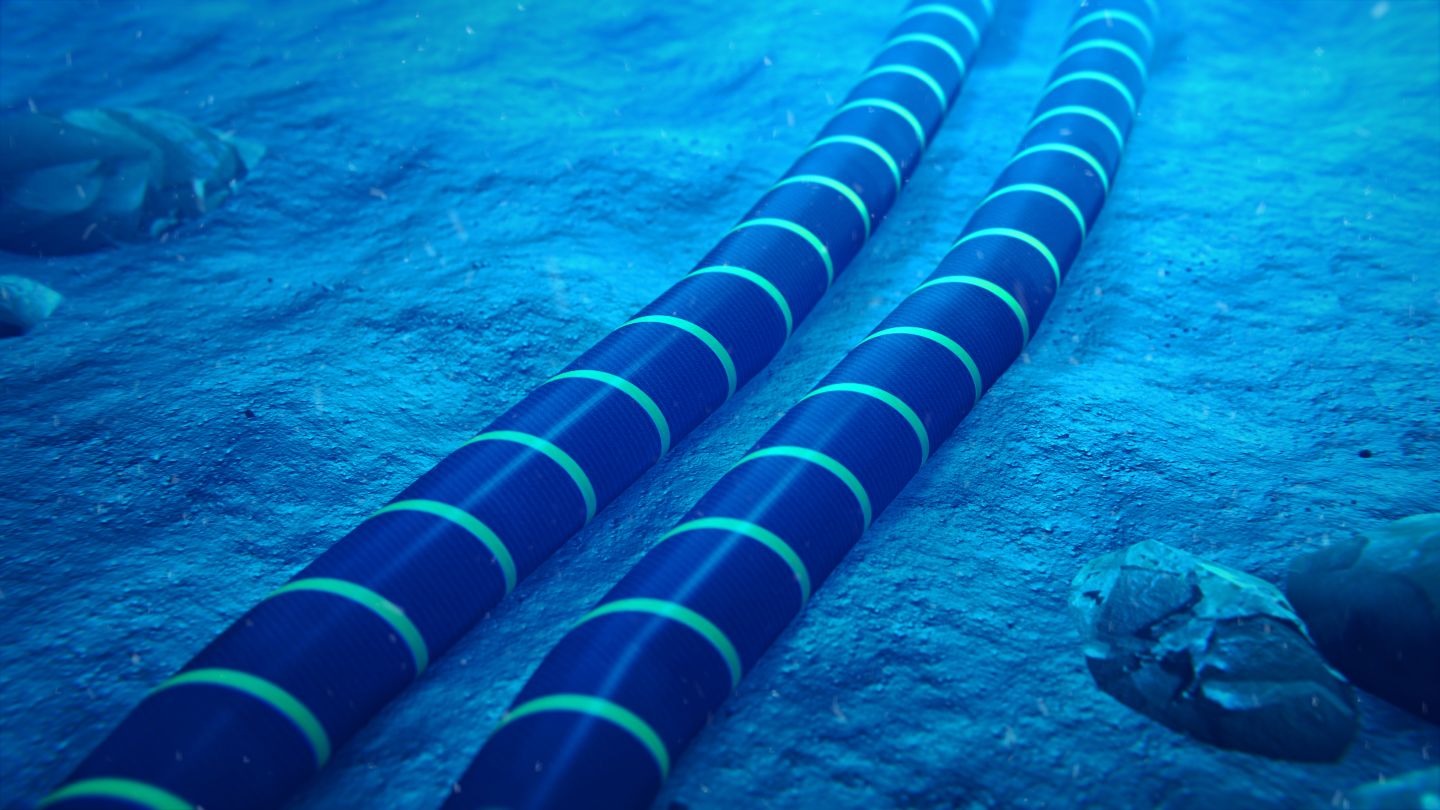
SubCo will build a direct optical link connecting Sydney, Australia, to San Diego, US, using a 16-fibre-pair design with no intermediate landings at an estimated cost of $500m (A$747m) and 12,000km to 13,000km (7,500 to 8,075 miles) in length, becoming the longest continuous subsea optical path in the world. The project is intended to support the rapid growth of AI infrastructure in Australia, where hyperscalers and emerging neocloud providers are expected to deploy up to 3GW of “AI factories” in the coming years. The cable will complement the company’s existing Oman Australia Cable (OAC), which connects Perth, Australia, to Muscat, Oman.
Go deeper with GlobalData


Access deeper industry intelligence
Experience unmatched clarity with a single platform that combines unique data, AI, and human expertise.
Governments around the world are increasingly intervening in the development and operation of subsea cable systems, citing digital sovereignty concerns. Most concerns are directly affecting government services, including defence, healthcare, and other critical industries. With governments wanting to have greater say and control over how their sensitive data is transmitted and protected, while reducing their exposure to other foreign jurisdictions and commercial entities, including foreign-owned hyperscalers. In an era of heightened cyber risk and geopolitical uncertainty, ownership and control of digital pathways are as important as capacity.
Brendan Swan, senior analyst at GlobalData, said: “Most governments around the world already co-invest in their critical infrastructure, including roads, power, ports, and defence assets. It is time that they should include subsea cables in the same category.
“Governments can show their support in various other ways, including co-investment, underwriting, or even long-term capacity commitments.”
“While the goal is not to remove private capital, rather targeted public participation, it can help ensure that national security, resilience, and data sovereignty concerns are met.”