
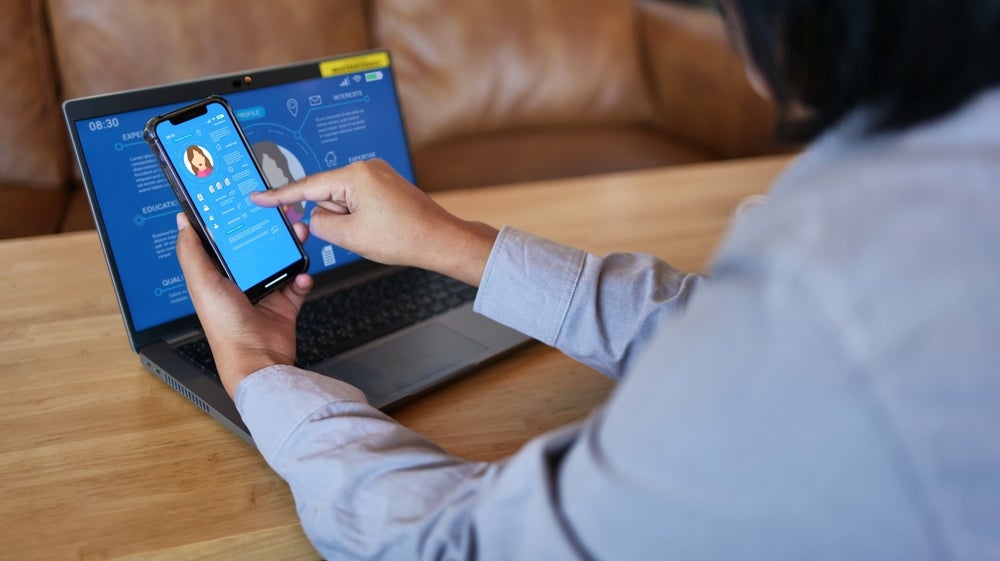
Many people understand that their phones, laptops, cars, and home devices collect information about them, but the scale of this collection has expanded and has eroded privacy.
What used to be considered private is now part of normal digital life. Privacy today is less about hiding information and more about managing how much you allow others to see. This shift has happened gradually, and most people accepted it without noticing. The definition of privacy is now flexible, and that is not necessarily a good sign.
Go deeper with GlobalData

Access deeper industry intelligence
Experience unmatched clarity with a single platform that combines unique data, AI, and human expertise.
Convenience continues to win
Modern technology makes life easier, and most people will choose convenience over strong privacy protections.
GPS, digital payment systems, voice assistants, and smart home tools all require personal data to function. Very few people are willing to give up these tools because the benefits are immediate and practical.
Even when users say they care about privacy, they often install apps or services that depend on tracking. This shows that our habits do not match our concerns. Convenience keeps winning because the trade-offs do not feel dangerous in the moment.
Companies collect more data than people realise
Tech companies collect much more than simple clicks or searches. They record how long you look at something, what you almost clicked, how quickly you scroll, and how your behavior compares to millions of other users.
US Tariffs are shifting - will you react or anticipate?
Don’t let policy changes catch you off guard. Stay proactive with real-time data and expert analysis.
By GlobalDataEven when companies promise that data is anonymous, it often can be connected back to individuals with only a few hints.
Data also rarely stays in one place. It is shared, combined, sold, and fed into systems that operate in the background. Most people do not see these systems, so they underestimate how much information they give away each day. Consequently, it is difficult to believe privacy is possible when data is constantly moving in ways we cannot see.
Individual choices are not enough
People can take steps to protect themselves. They can adjust app permissions, avoid oversharing, use privacy-focused browsers, or reduce how much they post online.
These actions help, but they only create small pockets of privacy. The larger systems that collect data are too widespread for individual habits to solve. Even careful users are still tracked through websites, devices, and network connections.
Real privacy requires more than personal caution. It requires rules that companies must follow, and clear limits on what can be collected. Without broader changes, individual efforts can only do so much.
Privacy is still possible, but only in a limited way
Privacy in 2025 is possible, but it is limited, conditional, and difficult to maintain. It is no longer something you have by default. It is something you have to work for. The choice is between accepting some level of exposure or trying to reduce it with deliberate effort.
Most people end up accepting it because the alternatives feel unrealistic. Technology is woven into daily life, and opting out is rarely practical. The more important question is what kind of privacy people want in the future. If there are no clear demands or expectations, then companies and governments will continue setting the boundaries for us.
Privacy is not dead in 2025, but it is not healthy either. It exists in a weaker form, shaped more by systems than by individuals. If people want it to improve, they have to acknowledge how much has already changed and decide how much control they want to reclaim.