
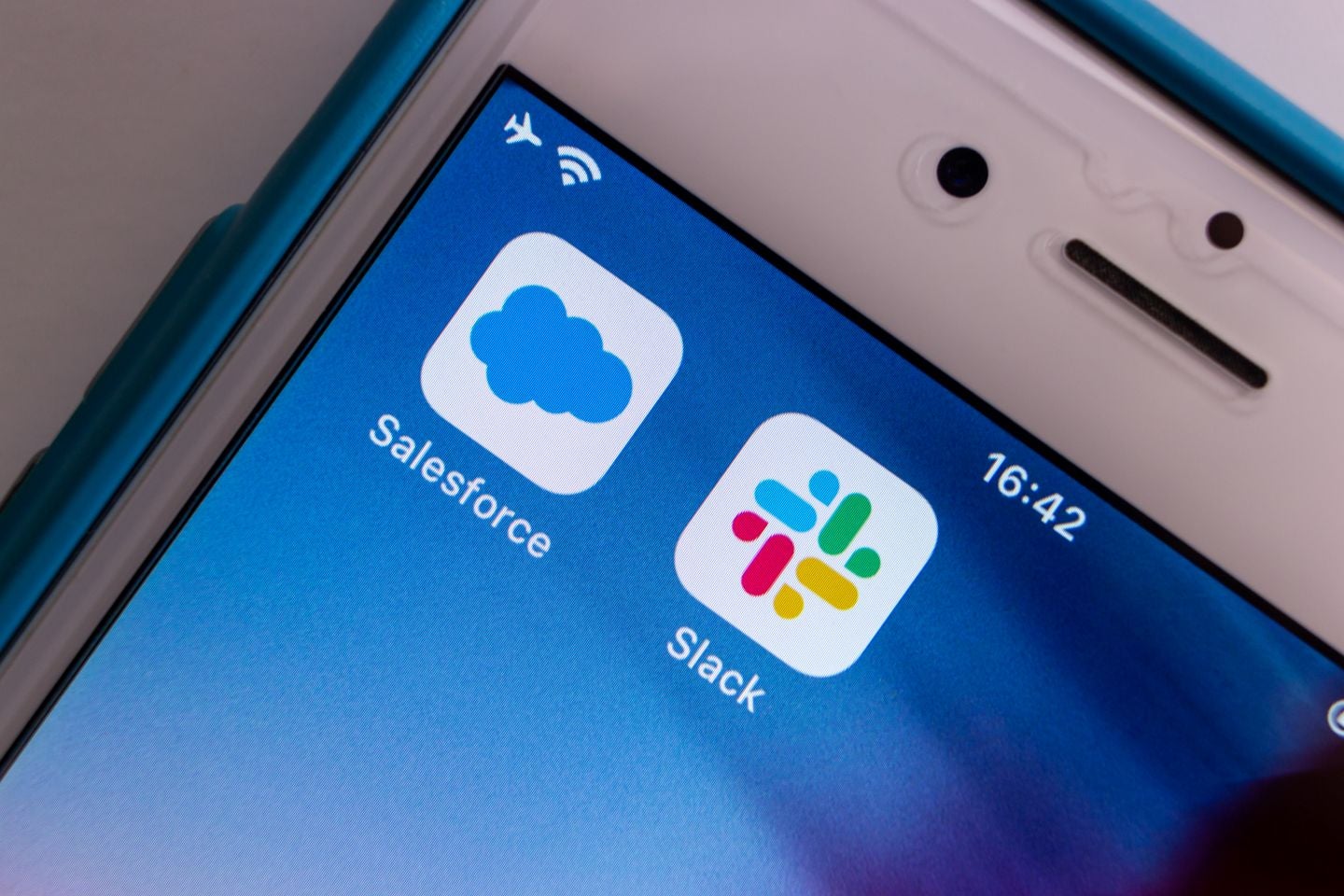
Salesforce announced more than 30 new capabilities for its Slackbot AI agent. While the changes add meaningful value, keep Slack competitive with rivals, and sustain the starring role Slack has come to play at Salesforce, opaqueness regarding security seriously detracts from the announcement.
This latest version of Slackbot enables users to get work done more effectively by serving as a unified interface into the Slack and Salesforce platforms. At a most basic level, users tell Slackbot what they need to accomplish, and Slackbot does so by pulling together relevant resources such as conversations, files, and data residing in multiple, often far-flung repositories. Over time, Slackbot gets to know users better, thus fulfilling their needs with greater speed and accuracy.
Go deeper with GlobalData

Access deeper industry intelligence
Experience unmatched clarity with a single platform that combines unique data, AI, and human expertise.
The new and improved Slackbot also continues Slack’s emergence as a fixture within the Salesforce organisation. When acquired by Salesforce in 2021, Slack seemed destined to fall into a black hole, but instead has been elevated to become a central gateway of the Salesforce platform.
Slack is increasingly embedded in Salesforce’s broader product fabric, positioned as the front end for Salesforce’s AI ecosystem and evolving into the default collaboration interface for the Salesforce platform. Slack has been granted a new and better life by its parent.
In addition to accelerating its rebirth, the enhanced Slackbot benefits Slack by bringing greater value to users and keeping it neck-and-neck with rivals such as Cisco and Zoom, who are infusing their own platforms with the same type of cross-pollination. However, the question of security looms large over this announcement.
The word “security” appears nowhere in the press release, and some aspects of what is discussed are troubling. Slackbot captures what the user sees, posing a substantial security risk. Business and personal data entered while using Slackbot is recorded, and there is no mention of where the data is stored, whether it is encrypted, if privacy protections are applied, and what happens to data under special circumstances such as a legal hold? Another concern is the apparent lack of restrictions over how Slackbot can be used and the question of which permissions it follows, the user’s or its own? Slackbot can talk to all the other bots being used; what happens if a user mistakenly tells Slackbot to do something they did not want it to? Can the action be reversed? Is there any insight into the actions Slackbot is taking in the first place? The lack of clarity regarding Slackbot’s security significantly dilutes the impact of the overall announcement.
Salesforce needs to articulate clearly what safeguards are in place to prevent Slackbot from igniting security nightmares. Security is but one issue that Salesforce needs to address. Rather than blindly mimic competitors and stockpile AI features, Salesforce needs to craft a compelling market message clearly articulating why the Slackbot ‘brand’ of AI is better than that of its rivals. Contact centre capabilities have become crucial for competing in the team collaboration space yet Salesforce lacks any meaningful portfolio of contact centre features and must act quickly to narrow the gap with competitors. If Salesforce can promptly address each of these issues, it could merit inclusion among the top players such as Cisco, Microsoft, and Zoom.