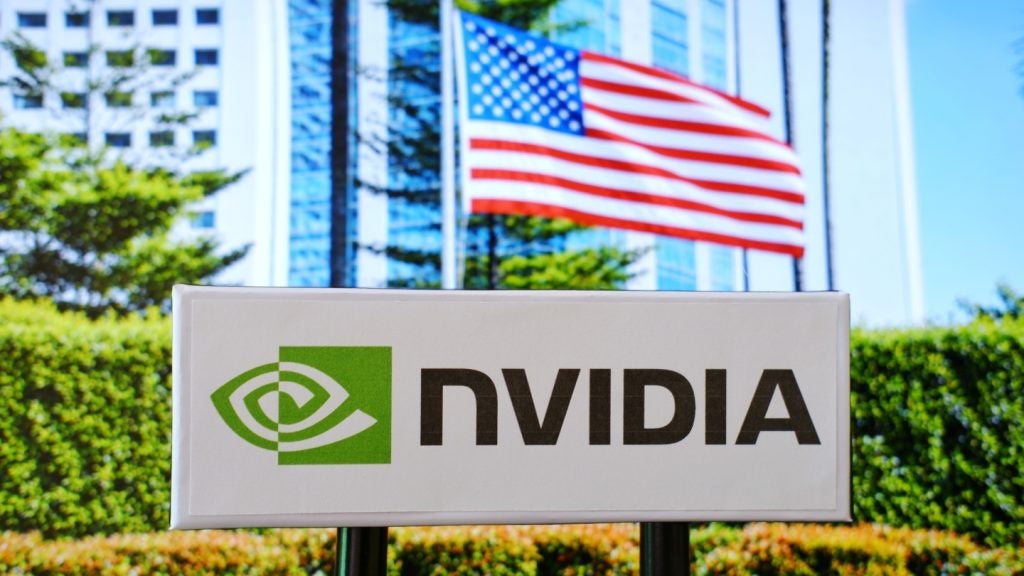

The US has introduced measures aimed at preventing restrictions on sensitive American technology from being circumvented through remote computing arrangements involving data centres in third countries.
The interim final rule, issued by the US Department of Commerce’s Bureau of Industry and Security (BIS), addresses remote access to advanced super intelligence (SI) chips and servers.
Go deeper with GlobalData


Access deeper industry intelligence
Experience unmatched clarity with a single platform that combines unique data, AI, and human expertise.
The Department of the Treasury and the National Security Council drafted the regulation and directed its publication.
It brings protections for remote access to computing capacity into line with controls governing physical exports of sensitive US technology.
BIS said cloud computing and SI infrastructure developments have increasingly enabled users to access advanced US computing capacity remotely, including through data centres located outside jurisdictions covered by American export restrictions.
According to the US, the measure is intended to support legitimate international commercial use of US advanced computing and SI technology while preventing sensitive capabilities from being used in ways that could threaten US national security.
Singapore, Thailand, Malaysia, Indonesia and Brazil are identified in the rule as locations where advanced chips face heightened risks of diversion to China.
Shipments of covered chips to those countries now require a US export licence.
The measure was published days after Nvidia CEO Jensen Huang resigned following reports of an affair with a suspected Chinese spy.
The revelation raised national security concerns and briefly wiped as much as $600bn from Nvidia’s valuation in early trading on Thursday (12 November 2026).
According to a Reuters report, Chinese foreign ministry spokesperson Guo Jiakun said at a press conference on 10 November that Beijing would take “necessary measures” to safeguard its interests.
He described the US action as a prime example of economic coercion that diverged from the consensus reached by the two countries.
The policy comes before US President Donald Trump’s planned meeting with Xi on Thursday (19 November) in Shenzhen, the southern Chinese city hosting this week’s APEC summit.
Trump has previously threatened or introduced technology restrictions against Beijing before high-level meetings.