
The ongoing refugee crisis should be taken as a sign that change is urgently needed if we hope to deal with the rapidly approaching and likely much larger number of environmental refugees.
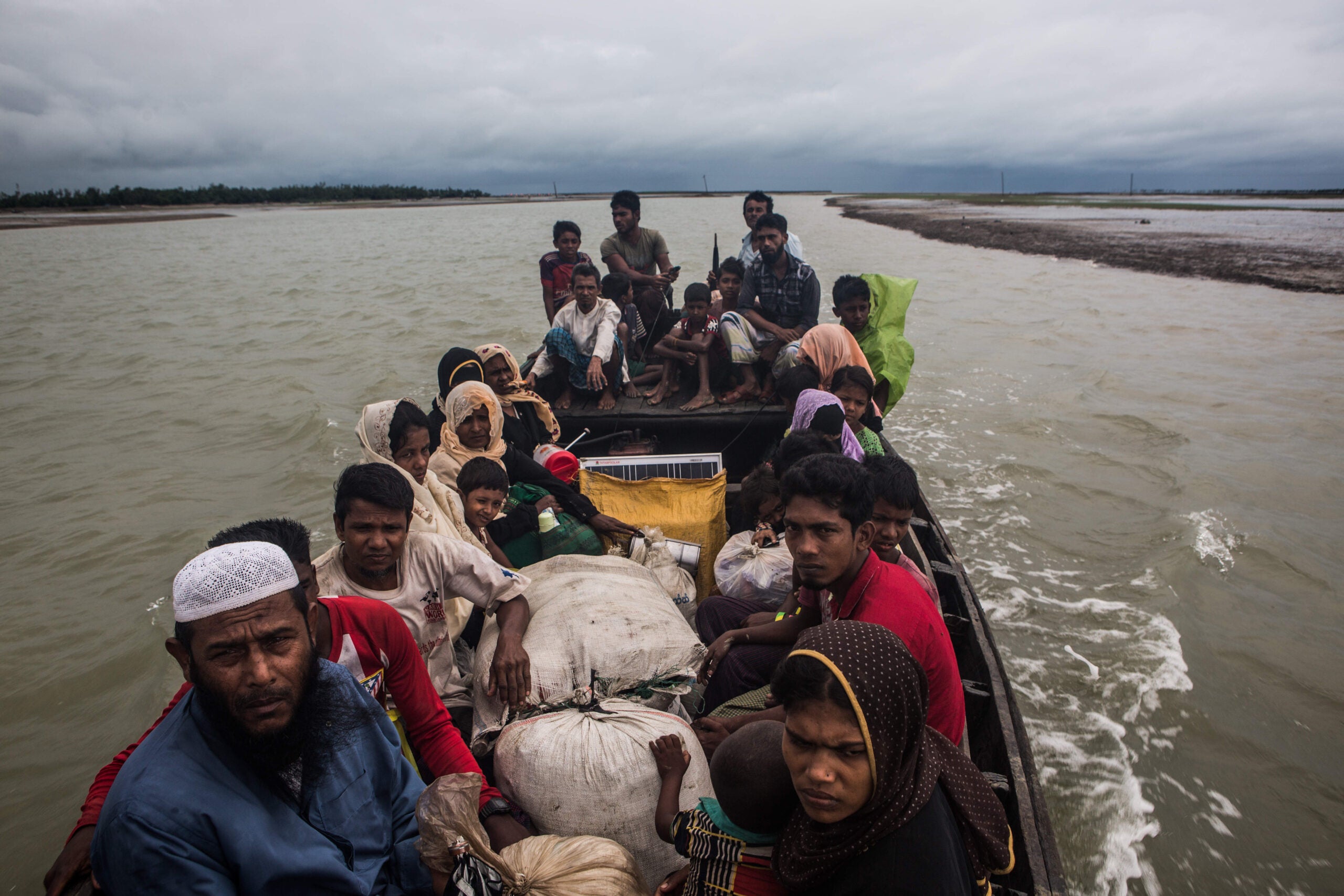
Europe and the UK are currently seeing record levels of immigration from refugees due to conflicts in Syria and Afghanistan. With 46,000 people using small boats to cross the sea and seek asylum in the UK in 2022, up from just 9,000 in 2020, Prime Minister Rishi Sunak has controversially pledged to ‘stop the boats’ and reduce the number of people attempting to enter the UK in this way.
Why the climate crisis matters
This continuing crisis should be taken as a warning sign that the UK and Europe are not equipped to deal with the larger refugee crisis that will inevitably occur in the coming decades.
In the future, migration, and especially the number of people seeking refuge, will not be driven by conflict, as we have seen in recent years, but by environmental issues that will increasingly impact large swathes of the world. GlobalData’s recent ESG report predicts that 140 million people will be affected by extreme droughts, fires, and floods by 2050. With temperatures set to rise 2.7°C from pre-industrial levels by the end of the century, large parts of the world are set to become uninhabitable due to an increase in extreme weather events and more frequent occurrences of wet bulb conditions.
Uneven refugee movement
But this effect will not be felt evenly. The WEF (World Economic Forum) has identified South and Central Asia along with the Middle East as the areas likely to be worst affected by the problems that climate change will bring. These areas are forecast to become the most populous in the world by the 2060s, meaning that as they then become more uninhabitable huge population shifts are inevitable, even if all targets surrounding global emissions are met, a feat that at present seems unlikely.
Given current trends, the movement towards more affluent and less environmentally affected countries from environmental refugees seems inevitable, particularly as neighboring countries close to disaster zones, which tend to receive higher numbers of refugees, will experience similar negative environmental issues due to the geographical nature of climate change. This means that more developed parts of the world, which also happen to be those that will be least affected by climate-related issues, will be forced to deal with the humanitarian crisis which will occur.
Given the way that the UK, for example, has reacted to the current crisis, there will need to be a change in approach to deal with the far larger catastrophe that is to come. While there are wishes among many to simply turn away the 46,000 refugees that have arrived in the UK in 2022, a number much lower than other countries, to do the same with a far larger number of climate refugees will be impossible.
Future impacts
The pressures from the scale of this crisis must be dealt with through cooperation among nations and collaboration between both private industry and governments. GlobalData’s demographics report predicts that the countries that will suffer the worst economic impacts of climate change are primarily in the Global South.
The pressure on the agricultural industry will vastly increase as conditions suitable for farming change. Furthermore, the energy requirements (as well as finding greener ways to supply this energy) will present new challenges for the energy sector. These issues, while seemingly distant, will only grow.
We already see upwards of 20 million people a year displaced due to meteorological events. Governments and industry should look ahead, as the scale of the problem will not lend itself to under-planned and protectionist policies.