Mitsui & Co. has entered into a strategic partnership with Kaynes Semicon and AOI Electronics Co. to support the establishment of a semiconductor back-end manufacturing operation in India.
The agreement gives Mitsui the role of facilitating Kaynes’ launch into the outsourced semiconductor assembly and test (OSAT) sector by drawing on Japan-based AOI Electronics’ technical experience.
Go deeper with GlobalData


Access deeper industry intelligence
Experience unmatched clarity with a single platform that combines unique data, AI, and human expertise.
Mitsui has secured exclusive rights regarding procurement of raw materials from Japanese and international suppliers for Kaynes and will also coordinate sales of Kaynes-produced items.
The Indian government, as part of its “Make in India” initiative, has approved the project, which aims to boost domestic manufacturing, including through financial subsidies to the semiconductor industry.
Kaynes received government clearance to begin OSAT operations in September 2024 and is planning to start production in the latter half of this year.
Mitsui has also gained the option to acquire shares in Kaynes at a later date, signalling potential for expanded involvement.
In parallel developments, SEALSQ, a WISeKey International subsidiary, and Kaynes SemiCon have agreed to establish SEALKAYNESQ, a joint venture based in India. This new entity will focus on developing and deploying post-quantum semiconductor platforms intended to strengthen digital sovereignty and security for India.
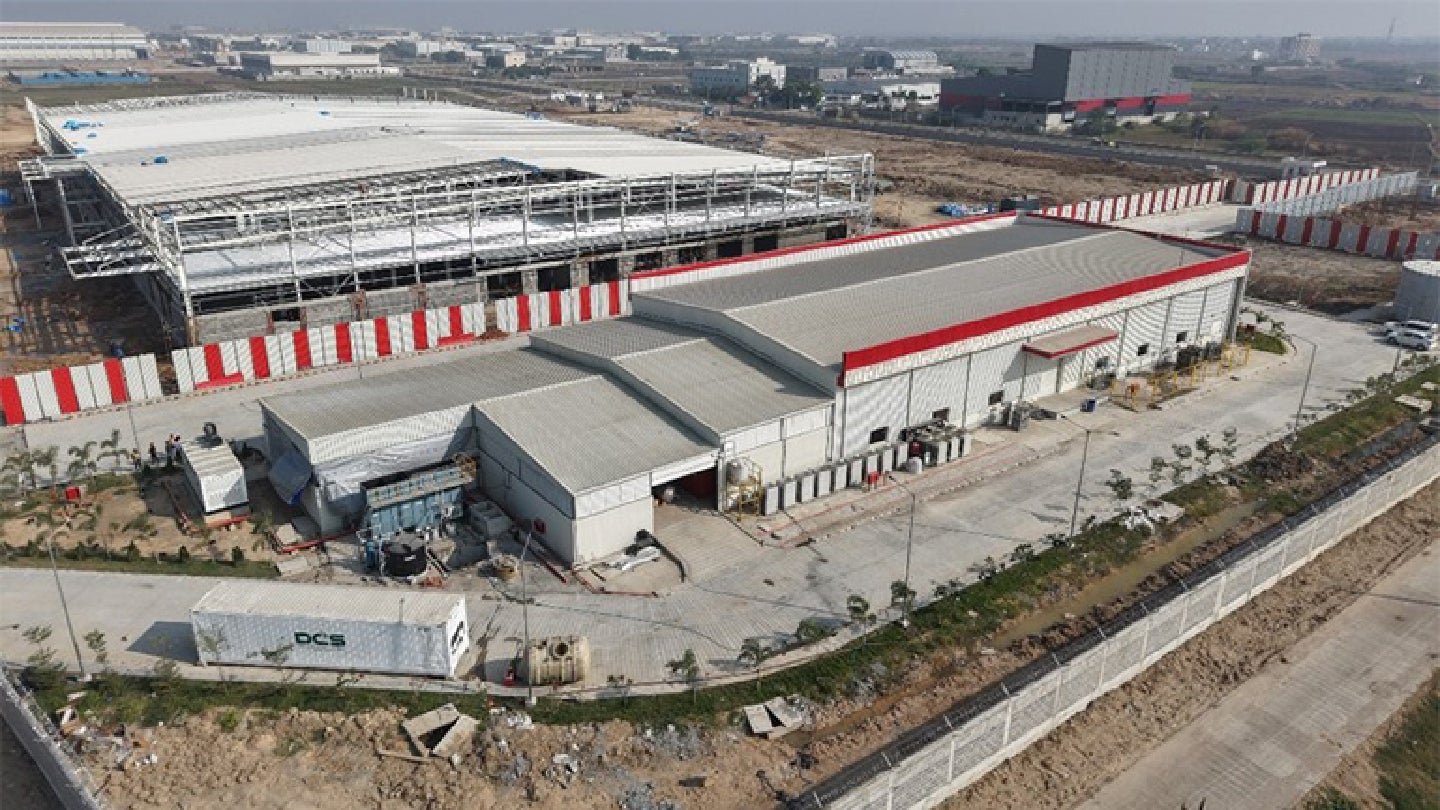
SEALKAYNESQ will operate a secure design, testing, and personalisation centre within Kaynes SemiCon’s Sanand facility in Gujarat.
The centre’s scope includes outsourced semiconductor testing and personalisation with advanced wafer and final test capabilities that adhere to Common Criteria standards.
The venture will integrate post-quantum cryptography at the silicon level and implement secure public key infrastructure-based lifecycle key management.
The moves come amid increased global efforts to localise semiconductor supply chains due to the strategic significance of chip production capabilities.