Industrial companies should target the use of digital twins to maximise their overall business value, a new report advises.
The 2026 edition of GlobalData’s Industrial Internet report details that the ability of digital twins to provide dynamic virtual replicas of physical assets makes them an important part of the industrial internet, which refers to the use of connected sensors and actuators to control and monitor industrial machinery environments.
Smarter leaders trust GlobalData


Access deeper industry intelligence
Experience unmatched clarity with a single platform that combines unique data, AI, and human expertise.
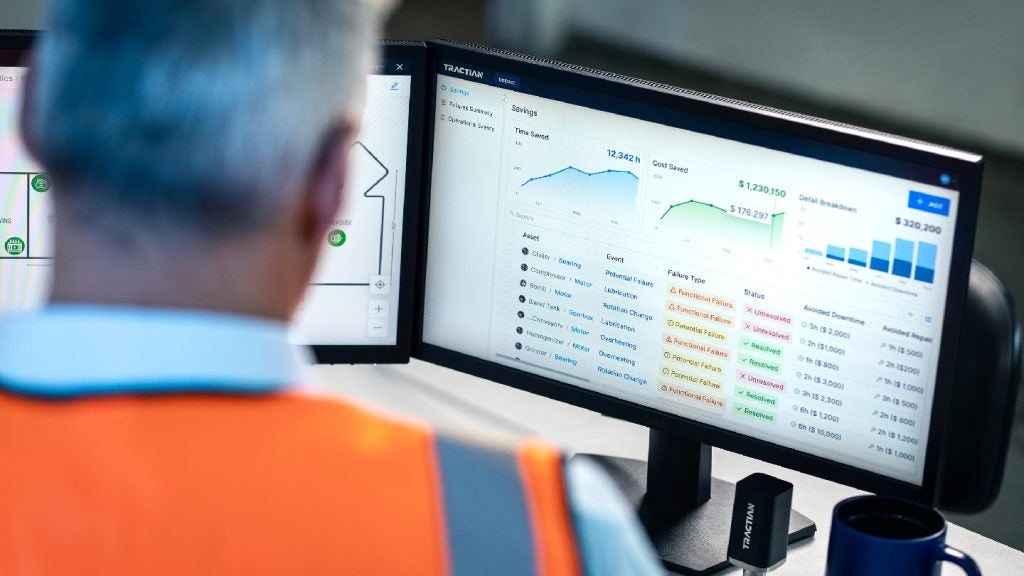
“These replicas support real-time monitoring, predictive maintenance and optimisation by integrating data from IoT sensors, bridging the physical-digital gap to improve efficiency and reduce downtime,” it says. “By creating a digital replica of a factory or production line, manufacturers can analyse data, identify bottlenecks and optimise operations for greater efficiency. Digital twins are growing in popularity because more data is available than ever before, and AI has made that data easier to manage.”
The report suggests that key steps for making the most of digital twins include identifying the company’s desired goals for them, such as improving product quality, optimising processes or reducing operational costs; determining the scope of the digital twin, including the assets, processes, or systems to be included; and following a structured implementation approach.
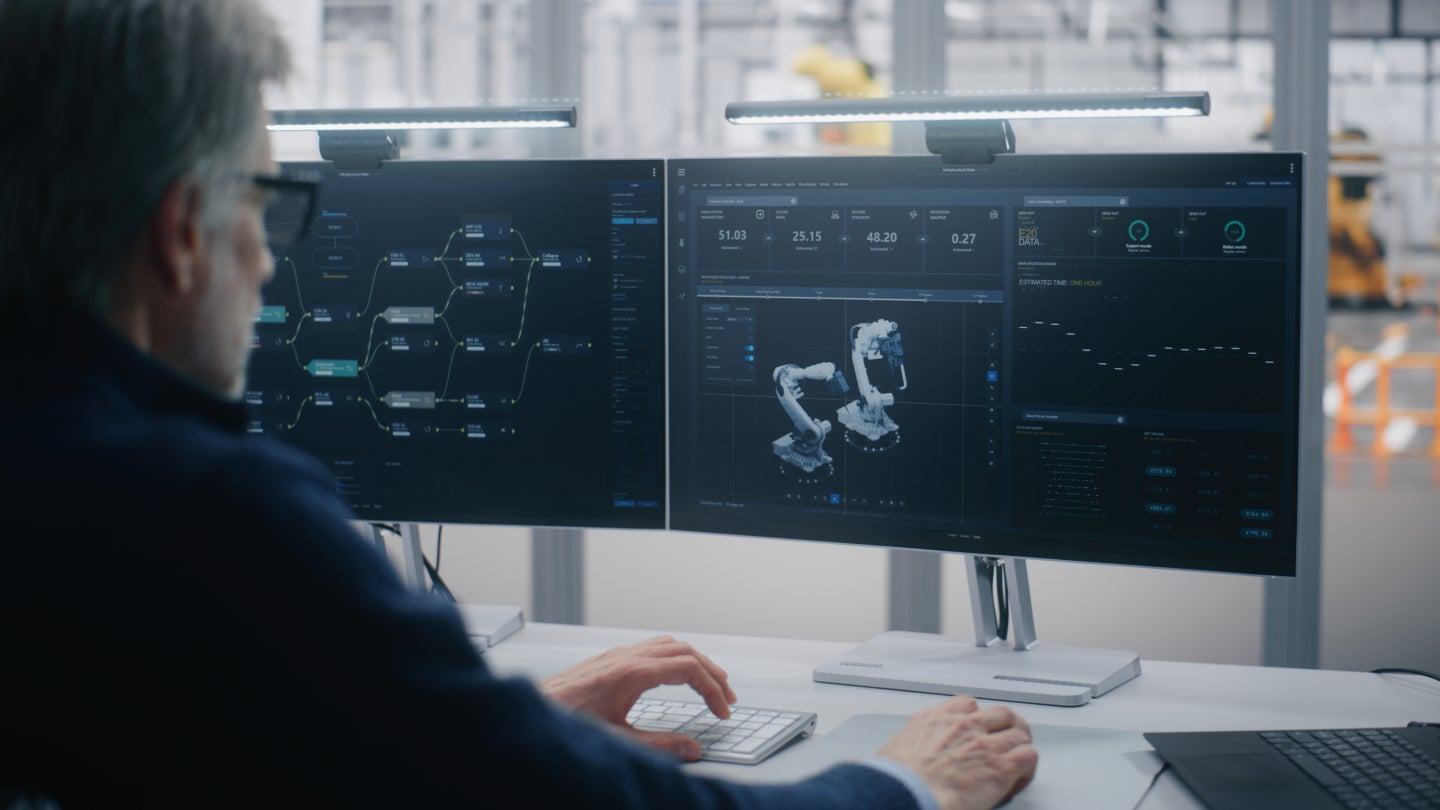
“Digital twins provide software representations of industrial equipment and assets and underpin the Industrial Internet,” the report says. “For example, a digital twin can be used in manufacturing to create a virtual replica of a production line. This allows manufacturers to monitor equipment health, predict maintenance needs, and optimise processes for increased efficiency.”
Real-time data is key for digital twins
It is noted that, in a Hexagon survey of 600 executives published in January 2025, 62% of respondents recognised the immense value of adopting digital twin technology, while only 2% did not believe digital twins provided any value.
The report continues: “Digital twins in manufacturing are being applied to manage the performance, effectiveness and quality of manufacturers’ fixed assets. When advanced visualisation, IoT and analytics are applied to assets such as manufacturing machines, lines, and plants, manufacturers can take a more strategic and holistic approach to asset management. Digital twins represent a significant opportunity for manufacturers, spanning engineering, design customisation, production and operations.
“Real-time data is a key foundation of digital twins. Industrial Internet devices, including sensors and machines, provide the essential data source for digital twins, delivering continuous, real-time information about a physical asset’s condition and performance. Without this live stream of data, a digital twin is only a static simulation model. With it, digital twins are a living single source of truth.”