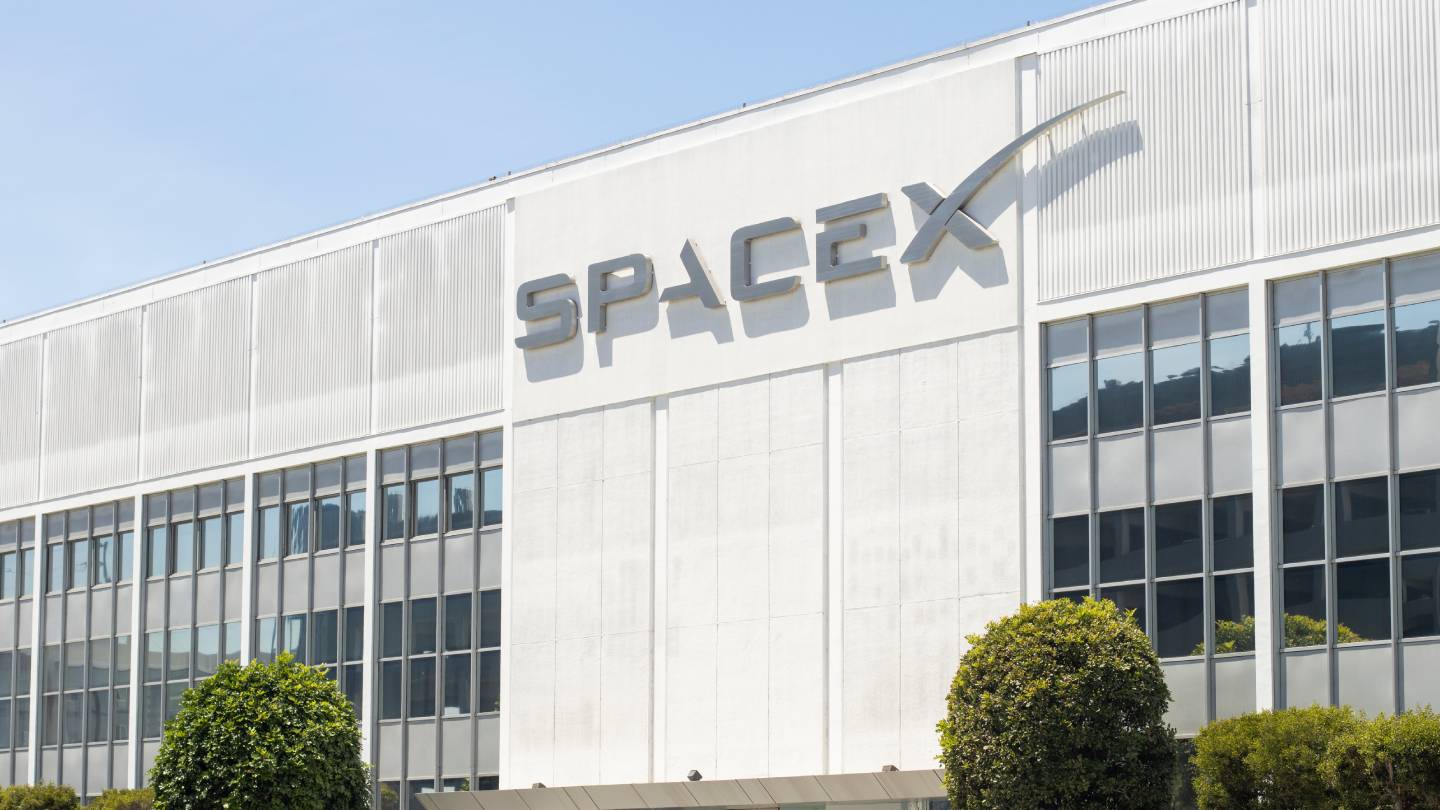
SpaceX has filed for what it says will be the largest initial public offering on record, seeking to raise $75bn by selling 555.6 million shares at $135 each, according to a filing with the US Securities and Exchange Commission.
The offering would value the reusable rocket company at $1.77tn. On that basis, the filing said SpaceX would rank as the seventh most valuable US company, ahead of Tesla, the electric vehicle maker also led by Elon Musk.
Go deeper with GlobalData

Access deeper industry intelligence
Experience unmatched clarity with a single platform that combines unique data, AI, and human expertise.
SpaceX is due to begin trading on Nasdaq on Friday, giving public market investors their first chance to buy shares in the 24-year-old business.
In its prospectus, SpaceX reported revenue of $4.69bn for the first quarter, up 15% from $4.07bn a year earlier. For 2025, it said revenue rose 33% to $18.67bn.
The company posted a net loss of $4.28bn in the latest quarter, after a loss of $4.94bn in 2025. The filing also stated that SpaceX has accumulated a cumulative deficit of around $41.3bn since it was founded in 2002, and warned investors that it may not achieve profitability in the future.
SpaceX said Starlink, its satellite internet service, accounts for most of its revenue and is its only profitable unit. The company also has an AI division, xAI, which it said merged with SpaceX in February.
Capital expenditure totalled $10.1bn in the first quarter, more than double the year-earlier level, the prospectus said. Of that, $7.7bn was attributed to AI, with the remainder spent on space and connectivity.
Goldman Sachs is the lead banker on the IPO, followed by Morgan Stanley, Bank of America, Citigroup and JPMorgan Chase.
The filing said SpaceX opted for a fixed offer price rather than a price range after “testing-the-waters” meetings ahead of the roadshow.
In remarks made last week at an IPO roadshow event, Musk said the company required new capital. “We’re embarking on a massive new growth phase, and we need capital for that,” Musk told JPMorgan Chase CEO Jamie Dimon.
Musk also pointed to a potential new area of spending connected to AI infrastructure. He said “doing AI data centres in space” would be “another massive capital endeavour” and described it as the best way to overcome energy limitations on Earth.